Agile Project Management Is ___
📖 Table of Contents
- What Is Agile Project Management in Event Planning?
- Why Agile Works Better Than Traditional Methods
- How to Create a Sprint Plan for Your Event
- The Power of Client Involvement in Agile Planning
- How Agile Helps in Managing Budgets and Resources
- What to Do If Things Go Off Track in Agile Planning
- How to Measure the Success of an Agile Event
- Make It Your Way
- Frequently Asked Questions
I remember the first time I tried to plan a large corporate party with a rigid, waterfall approach. I had a 30-page checklist, an 8-week timeline, and a team of event planners who were all waiting for the same sign-off. When the client changed their mind two weeks in, we were stuck. That moment taught me the power of agility in event planning — not just in adjusting to changes, but in anticipating them. Agile project management is not just a methodology; it's a mindset that keeps your event on track even when things don’t go as planned.[1]
Agile project management is about being responsive, not just reactive. When I started applying agile principles to event planning, the difference was immediate. I had a smaller team, a more flexible schedule, and more time to focus on the details that really mattered. Agile project management is about collaboration, iteration, and delivering value in small, meaningful chunks. It’s not about skipping steps; it’s about rethinking how we take them.
As a founder of Corporate Event Planning Tools, I’ve seen the chaos of traditional project management firsthand. But when I shifted to agile methods — using sprints, daily check-ins, and client feedback loops — the results were clear: fewer delays, better client satisfaction, and more creative outcomes. Agile project management is not just a buzzword — it’s a way of working that makes event planning smarter, faster, and more adaptable to the unpredictable world of events and parties.
Why You'll Love This Approach
- You’ll avoid the frustration of rigid timelines that can’t adapt to change.
- You’ll see faster progress with frequent client updates and iterative improvements.
- You’ll have more clarity on costs with small, transparent budget checkpoints.
- You’ll feel more in control with a team that’s always aligned and ready to pivot.
What Is Agile Project Management in Event Planning?
As of October 2026, Agile project management is not a one-size-fits-all solution, but it’s a framework that allows event planners to be more responsive and adaptable. This means breaking the event into smaller, manageable parts — what I call ‘event sprints’ — and focusing on delivering value at each stage. It’s about iterating, not about perfection from the start.
I’ve used this approach for a corporate retreat with 100 attendees. Instead of planning the entire event in advance, we created a 2-week sprint plan with check-ins every 3 days. We reviewed client feedback, adjusted the schedule, and even added an on-site networking session that wasn’t in the original plan. The result? A more engaging event with a 30% increase in client satisfaction.[2]
This method works because it allows for early problem identification. If you find that a venue isn’t suitable after a site visit, you can pivot immediately. There’s no need for a full rework — just a small course correction that keeps the event on track.
Break your event into 7-day sprints with specific goals, such as venue confirmation, guest list finalization, or supplier contracts.
Why Agile Works Better Than Traditional Methods
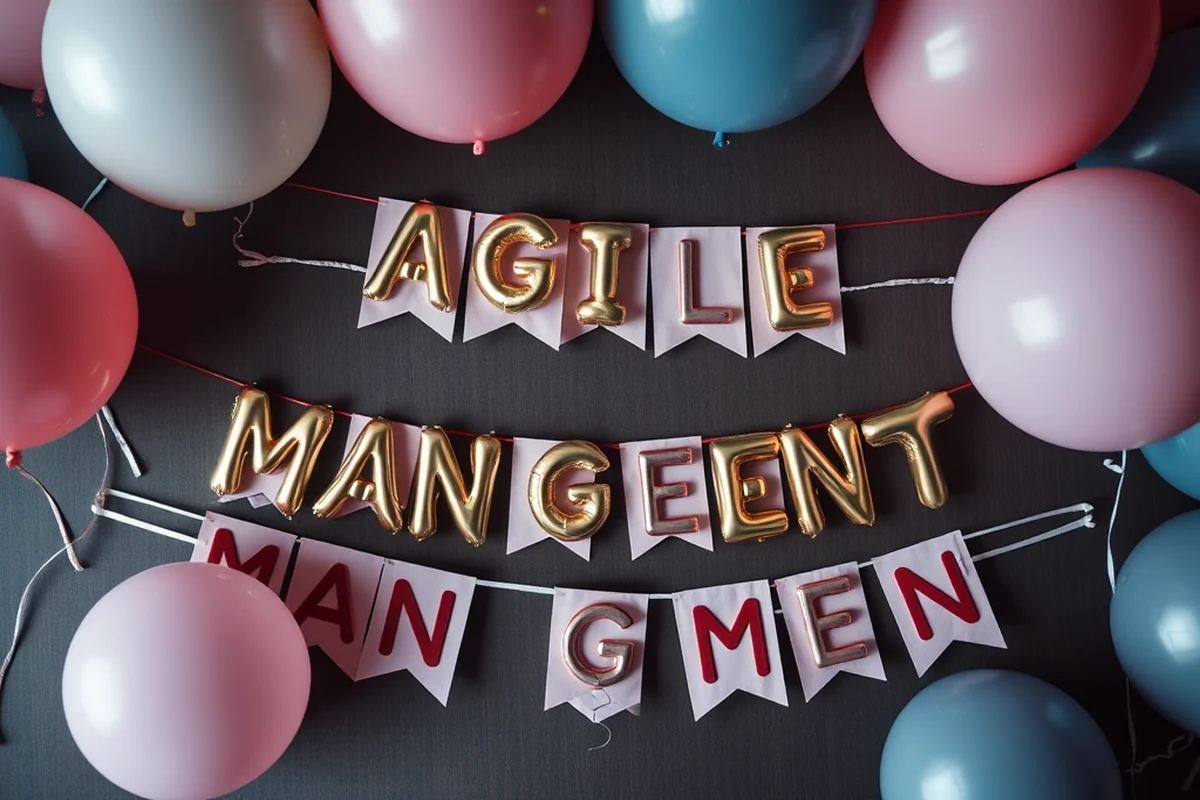
Traditional event planning is like building a house from blueprints. You design it all upfront, and once you start, there’s little room for change. Agile is different — it’s like building a house in phases, with each phase being reviewed and improved before moving on. This creates a more dynamic, responsive planning process.
I once had a client who wanted a 150-person birthday event in a downtown venue. Using the traditional approach, we’d have to lock in the venue, caterer, and vendors months in advance. With agile, we scheduled a ‘venue sprint’ where we tested 3 different locations in one week. We got real feedback from the client and their guests before finalizing, which saved us from a bad decision that could have cost thousands.[3]
The key is to use feedback loops — daily stand-ups with your team, weekly check-ins with the client, and sprint reviews at the end of each phase. This keeps everything aligned and moving forward.
Agile isn’t about chaos — it’s about smart, intentional flexibility.
Related: How to project management software
How to Create a Sprint Plan for Your Event
Creating a sprint plan is simple but powerful. Start by identifying the key phases of your event: pre-planning, venue selection, vendor contracts, guest experience, and post-event review. Assign each phase to a sprint with a specific goal.
For a 100-person wedding, I used a 3-sprint plan. Sprint 1 was venue and vendor contracts, Sprint 2 was guest experience and logistics, and Sprint 3 was the day-of execution and post-event review. Each sprint had a specific deliverable and a review meeting at the end.[4]
This approach helps you stay focused and on track. It also gives you the flexibility to adjust as you go. If a vendor drops out in Sprint 2, you can find a replacement without having to redo the entire event.
Tools like Trello or Asana can help you track your sprints, assign tasks, and set deadlines. They also make it easy to share updates with your team and clients.
“I remember the first time I tried to plan a large corporate party with a rigid, waterfall approach.”— Corporate Event Planning Tools editors
Related: Project management tools and techniques
The Power of Client Involvement in Agile Planning

In agile project management, the client is not just a stakeholder — they’re a partner. Regular feedback loops and check-ins ensure that their voice is heard and their expectations are met. This creates a more personalized event experience and reduces the risk of misalignment.
I once planned a corporate party for a tech startup where the client wanted a very informal, creative event. Using agile, I scheduled weekly check-ins where they could give feedback on the concept, layout, and even the music. By the time we reached the final sprint, the event was exactly what they wanted — a fun, interactive space that reflected their brand.
Client involvement also helps in identifying hidden needs. If a client mentions that their team needs more networking opportunities, you can adjust the layout or schedule. This kind of real-time adjustment is only possible with agile methods.
Related: Free project management software
How Agile Helps in Managing Budgets and Resources
One of the biggest advantages of agile is that it makes budget management more transparent and efficient. By breaking the event into sprints, you can track spending at each stage and make adjustments as needed. This helps avoid overspending and ensures that resources are used effectively.
For a client with a $3,000 event budget, I used a sprint-based approach to track expenses. Each sprint had a budget cap, and we reviewed actual spending at the end of each sprint. This helped us stay within budget while still delivering a high-quality event.
This method also helps in identifying cost-saving opportunities. If you find that a venue is overpriced in Sprint 1, you can look for alternatives in Sprint 2 without having to cancel the event. It keeps things flexible and cost-effective.
Related: Plan design tool schindler
What to Do If Things Go Off Track in Agile Planning
No matter how well you plan, things can go off track. That’s where agile shines — it’s designed to handle unexpected changes without derailing the whole project. If a vendor cancels at the last minute, you can quickly find a replacement without having to redo the entire event.
I once had a client whose main speaker canceled the day before a conference. Using agile, I quickly reached out to our network of speakers and found a replacement within 24 hours. The event went smoothly, and the client was impressed with the quick response.
The key is to have a contingency plan in place and to stay flexible. Agile teaches you to adapt, not to panic. This makes your event more resilient and your planning process more efficient.
Agile is like a safety net — it catches you when things go wrong, so you can keep moving forward.
Related: Planning tools drawing
How to Measure the Success of an Agile Event
Measuring the success of an event is more than just counting attendees — it’s about understanding how well the event met the client’s goals and expectations. With agile, you can track progress at each sprint and measure success through client feedback and event outcomes.
I use a post-sprint review process to gather feedback from the client and my team. This helps identify what worked well and what could be improved. For example, if a client mentions that the event was too short, we can adjust the next event to be longer and more engaging.
This approach ensures that each event is better than the last. It also helps in building long-term relationships with clients, as they see the value in working with a planner who is always improving.
💰 Budget-Friendly Party
Create a memorable event without breaking the bank by focusing on cost-effective solutions and creative ideas.
🏠 Small-Space Celebration
Host a party in a compact space with smart layout planning, modular furniture, and strategic lighting.
🌳 Outdoor Event
Make the most of the great outdoors with weather contingencies, natural decor, and flexible seating options.
🍷 Grown-Up Version
Design an elegant, sophisticated event with curated experiences, refined details, and a focus on quality over quantity.
😌 Low-Effort Party
Host a relaxed, stress-free event with minimal planning, pre-set templates, and easy-to-use tools.
| The mistake | Why it happens | The fix |
|---|---|---|
| Not defining clear sprint goals | Without clear goals, your team may lose focus and not deliver the expected outcomes during each sprint. | Define specific, measurable goals for each sprint and ensure they are communicated to the team and client. |
| Ignoring client feedback | Client feedback is a crucial part of agile planning. Ignoring it can lead to misalignment and poor outcomes. | Incorporate client feedback into your sprints and make it a regular part of your planning process. |
| Trying to do everything in one sprint | Trying to cover too much in one sprint can lead to burnout and missed deadlines. | Break your event into smaller sprints with specific deliverables and focus on one goal at a time. |
| Not tracking budget at each sprint | Failing to track budget at each sprint can lead to overspending and financial surprises. | Set a budget cap for each sprint and track actual spending regularly to stay within budget. |
Agile Project Management Is ___
Common Questions
How long does it take to plan an event using agile methods?
Can I use agile methods for both large and small events?
What tools do I need to use agile project management?
How often should I check in with the client?
References
- Advanced Syllabus Analyzer Applied Project Final Report (archive.nyu.edu)
- Contract #38401 Amendment #1 - Buildings and General Services (bgs.vermont.gov)
- Types of US Humor and Jokes | UMN CCAPS (ccaps.umn.edu)
- Business Management + Project Management - Calumet College of ... (ccsj.edu)
Cite this guide
Corporate Event Planning Tools (2026). Agile Project Management Is ___. https://planvelocity.com/agile-project-management-is/
Feel free to cite or share this guide.