Planning Tools Drawing
📖 Table of Contents
- The Value of a Visual Plan
- The Best Tools for Planning Tools Drawing
- How to Start Your Planning Tools Drawing Process
- The Role of Color and Symbols in Planning Tools Drawing
- Using Planning Tools Drawing for Large Events
- Planning Tools Drawing for Small Spaces
- The Impact of a Well-Designed Visual Plan
- Make It Your Way
- Frequently Asked Questions
I remember the first time I tried to plan a party without a visual aid — it was a disaster. I had all the ideas in my head. When I sat down to map out the layout of the venue, the flow of the event, and the placement of tables, I quickly realized how important it was to have a clear, visual representation of everything. That’s when I discovered the power of ‘planning tools drawing’ — a technique that transformed my event planning from chaotic to seamless.
‘Planning tools drawing’ isn’t just about sketching out a space; it’s about creating a roadmap for your event that includes everything from guest seating to stage setups and even emergency exits. I’ve used everything from basic whiteboards to digital design tools, and each one has its place in the planning process. Whether you're hosting a small birthday party or a large corporate event, the ability to visualize your plans before the big day is invaluable.[1]
The best part of ‘planning tools drawing’ is how it helps you avoid last-minute surprises. I once hosted a wine tasting and forgot to account for the space needed for the tasting stations, which ended up causing a bottleneck near the bar. Since I started using a visual planning process, I’ve been able to preempt these issues and create a more enjoyable experience for everyone involved.[2]
Why You'll Love This Planning Method
- It gives you a clear, visual roadmap for your event.
- It helps you avoid last-minute surprises and logistical errors.
- It makes communication with vendors and team members much more efficient.
- It allows you to make changes and adjustments with ease before the event.
The Value of a Visual Plan
As of August 2026, Creating a visual plan is like holding a blueprint of your event in your hands. I've found that using a whiteboard or a digital tool allows me to see where each element fits and how they interact. For example, when I was planning a corporate mixer, a visual layout helped me understand how the stage, seating, and food stations would all coexist without crowding each other.
One of the key benefits I've noticed is how it simplifies communication. When I shared my visual plan with my team, they could see exactly what we were aiming for, which reduced misunderstandings. It also helped me identify potential issues before they became problems, like realizing that the AV setup needed more space.
In my experience, a visual plan doesn’t just help with layout — it also helps with timing and flow. I once used a hand-drawn timeline of the event to ensure that each activity transitioned smoothly. That small change made the event feel more organized and stress-free for everyone involved.
Apps like Canva or Adobe Express are great for creating and sharing visual plans with your team. They allow for real-time collaboration and make it easy to make last-minute changes.
The Best Tools for Planning Tools Drawing

I've used everything from paper and pencil to high-end digital tools. For a quick sketch, a whiteboard is perfect. For more detailed plans, I prefer using digital tools like Figma or even a simple spreadsheet. Each tool has its place, depending on the complexity of the event.
One thing I’ve learned is that the tool isn’t as important as the process. Whether I’m using a sketchpad or a digital planner, I always follow the same steps: map out the space, assign areas for each activity. Then add in the details like signage and lighting.
I've found that using a mix of tools is often the most effective. For instance, I might sketch the layout by hand and then digitize it to add more details. This approach allows for more flexibility and makes it easier to share the plan with others.
The right tool for the job makes all the difference.
Related: Plan tool cern
Related: Holiday planning tools
Related: Planning Tools Diagram
Related: Best planning tools for students
Related: Cost Planning Tools
Related: Enterprise Resource Planning
How to Start Your Planning Tools Drawing Process
Starting with a clear vision of the space is essential. I always begin by sketching the room or venue, including the size, furniture, and any fixed structures. Once I have a basic layout, I move on to placing the key elements like tables, chairs, and stages.
I also make sure to consider the flow of the event. For example, when planning a dinner party, I ensure that the guest entry, seating, and serving areas are all positioned in a way that makes the experience smooth for everyone.
One tip I’ve learned is to involve your team early on. When I shared my initial sketch with my event planner, we were able to make improvements before the final plan was set. This collaborative approach helps prevent last-minute changes and keeps everything on track.
Don’t worry about getting the details right on the first try. A rough sketch can help you get the big picture out of the way before adding in the smaller elements.
“I remember the first time I tried to plan a party without a visual aid — it was a disaster.”— Corporate Event Planning Tools editors
The Role of Color and Symbols in Planning Tools Drawing
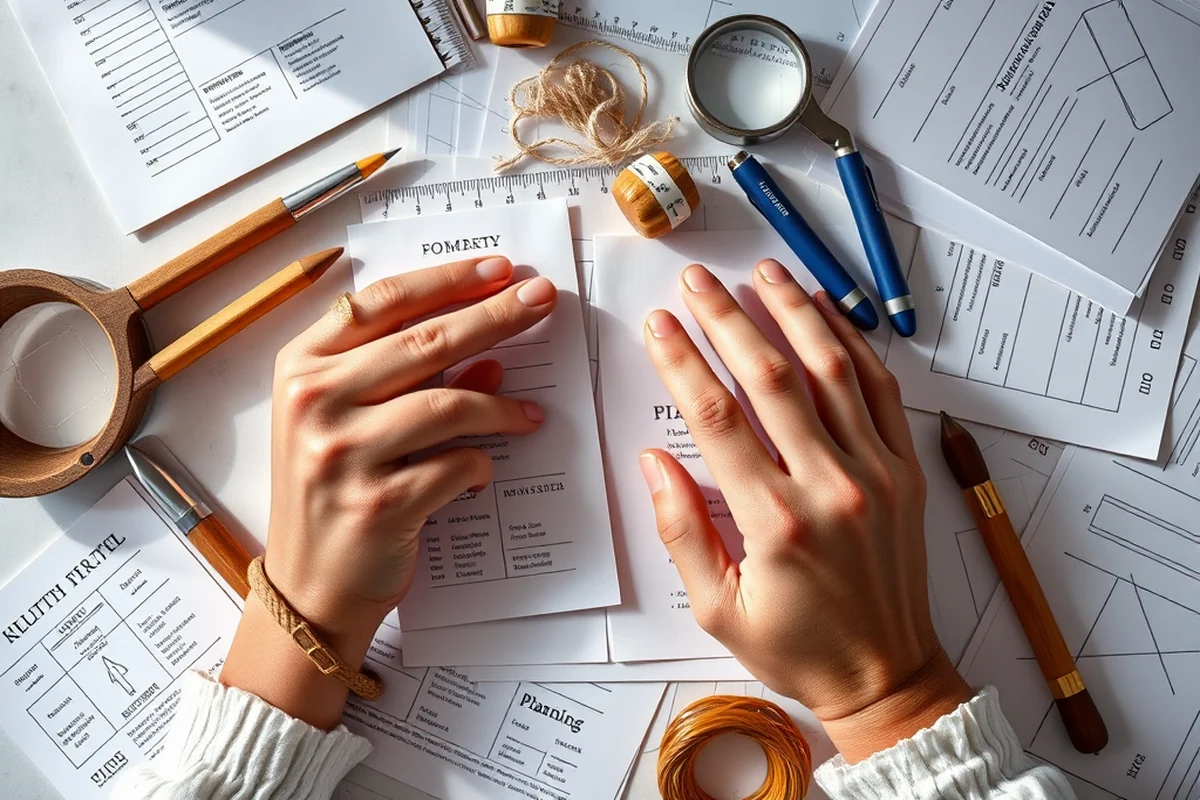
Color-coding different areas of the event can make your plan more visually engaging and easier to follow. For instance, I often use different colors to represent different zones — like red for the stage area, blue for the food service, and green for guest seating.
Symbols are also a great way to simplify complex information. Instead of writing out long descriptions, I use simple icons to represent things like lighting, AV equipment, and emergency exits. This makes the plan more accessible and easier to interpret.
In one of my recent events, I used color-coded symbols to help my team understand where everything should be placed. It was much easier to coordinate the setup and ensure that everything was in the right place on time.
Using Planning Tools Drawing for Large Events
When planning a large event, like a festival or a conference, a visual plan becomes even more important. I've found that breaking the event into smaller sections helps manage the complexity. Each section can be planned individually and then combined into a full layout.
I also use a visual plan to assign responsibilities to different teams. For example, one team might be in charge of the stage area, while another focuses on the food service. This helps ensure that each part of the event is covered and nothing is overlooked.
One thing I've learned is that the visual plan should be updated as the event planning progresses. As new details come in, like additional vendors or changes in the layout, the plan should be adjusted to reflect these changes. This helps keep the planning process on track and avoids confusion.
Planning Tools Drawing for Small Spaces
When planning a small event, like a birthday party or a dinner for a few guests, a visual plan can help you make the most of the limited space. I've found that using a detailed layout helps identify where to place furniture, lighting, and other elements without overcrowding the area.
One of the key challenges in small spaces is ensuring that the flow of the event is smooth. I often use a visual plan to map out the path guests will take through the space, making sure that there's enough room for everyone to move comfortably.
In one of my recent events, I used a visual plan to arrange the seating and serving area in a small apartment. The plan helped me ensure that the space was used efficiently and that everyone had enough room to move around and enjoy the event.
Even a small space can feel huge with the right planning.
The Impact of a Well-Designed Visual Plan
I've seen firsthand how a well-designed visual plan can make a big difference in the success of an event. When I used a detailed layout for a corporate retreat, it helped ensure that everything was in the right place and that the event ran smoothly from start to finish.
One of the biggest benefits of a visual plan is that it helps reduce stress for both the planner and the guests. When everything is clearly mapped out, it’s easier to manage the event and make any necessary adjustments as needed.
In my experience, a visual plan is also a great tool for communication. Whether you're sharing it with your team, vendors, or guests, a clear layout helps everyone understand what's expected and how things should be set up.
🎉 Budget-Friendly Birthday Party
A fun and affordable way to celebrate with friends and family, using simple and creative planning tools.
💍 Small-Space Wedding Reception
An elegant and intimate celebration, planned with precision and attention to detail in a limited space.
🎪 Outdoor Festival Planning
A dynamic and immersive event, organized with the help of planning tools to manage large crowds and complex setups.
💼 Grown-Up Corporate Mixer
A sophisticated and professional event, carefully planned to ensure a seamless and engaging experience for all attendees.
👨👩👧👦 Low-Effort Family Gathering
A relaxed and stress-free family event, designed with practical planning tools that make everything easier and more enjoyable.
| The mistake | Why it happens | The fix |
|---|---|---|
| Not involving the team early on | This can lead to misunderstandings and last-minute changes that could have been avoided with early collaboration. | Involve your team in the planning process from the start. Share your visual plan with them and encourage feedback and suggestions. |
| Ignoring the event's flow and guest movement | This can result in overcrowding, bottlenecks, and a poor guest experience. | Plan the guest flow carefully by visualizing the space and ensuring that there are enough pathways and exits for all attendees. |
| Using too many details in the initial sketch | This can make the plan overwhelming and difficult to follow, leading to confusion and errors. | Start with a rough sketch and gradually add details as the planning process progresses. Keep the plan simple and easy to understand at each stage. |
| Failing to update the plan as the event planning evolves | This can lead to outdated plans and last-minute changes that could have been avoided with regular updates. | Make it a habit to update your visual plan as new information comes in. This ensures that your plan is always accurate and up-to-date. |
Planning Tools Drawing
Common Questions
Can I use a hand-drawn sketch for my event planning?
What are the best tools for planning tools drawing?
How can a visual plan help me avoid last-minute changes?
Can I use planning tools drawing for small events?
References
Cite this guide
Corporate Event Planning Tools (2026). Planning Tools Drawing. https://planvelocity.com/planning-tools-drawing/
Feel free to cite or share this guide.