Project Management Tools And Techniques
📖 Table of Contents
- Choosing the Right Project Management Platform
- The Power of Visual Planning Tools
- Setting Clear Deadlines and Prioritizing Tasks
- Collaborating with Vendors and Team Members
- Tracking Budgets and Expenses
- Creating a Central Hub for All Information
- Reviewing and Refining Your Planning Process
- Make It Your Way
- Frequently Asked Questions
I still remember the day I tried to plan a 50-person corporate event without any project management tools. It was a disaster—vendors were out of sync, timelines were all over the place, and the guest list ended up with three people from the same department. That moment taught me the value of structure, clarity, and the right tools. For anyone in Events & Parties, mastering project management tools and techniques isn’t just helpful—it’s essential. These tools don’t just keep things organized; they transform chaos into something elegant and efficient.
Over the years, I’ve tested dozens of project management platforms and techniques, and I’ve found that the most effective ones are those that integrate with your planning workflow. Whether it’s a small team-building lunch or a full-blown wedding, the right project management tools and techniques can streamline communication, track deadlines, and keep your budget on track. But it’s not just about the tools themselves—it’s about how you use them. That’s where the real magic happens.
One of the most eye-opening experiences I had was working with a planner who used a combination of Asana for task management, Trello for visual tracking, and Google Sheets for budgeting. Within six weeks, she had transformed her event planning process from a chaotic mess into a well-oiled machine. It wasn’t just the tools that made the difference—it was the techniques she applied, like daily check-ins, color-coded timelines, and a shared central hub for all stakeholders. Those are the kinds of insights I want to share with you now.
Why You'll Love This Article
- Discover real-world project management tools and techniques tested in high-pressure event environments.
- Get actionable tips that you can implement immediately, even on a tight timeline.
- Avoid common pitfalls that lead to event mishaps and wasted time.
- Learn how to communicate effectively with vendors, team members, and clients using structured planning methods.
Choosing the Right Project Management Platform
As of September 2026, when I first started planning events, I used a generic task list, which worked for small occasions but fell apart when I tried planning larger events. That’s when I realized the need for a dedicated project management platform. I tested a few, like Asana, Trello, and Monday.com, and found that the best one for my needs was Asana because of its clarity and robust tracking features. It allowed me to see who was responsible for what, when tasks were due, and how they were progressing in real time.
What sets a good platform apart is its ability to integrate with other tools you use regularly. For example, if you use Google Calendar for scheduling, you want a platform that can sync with it. Similarly, if you use Slack for team communication, you’ll want a tool that can push updates into that same channel. These integrations help eliminate the need to toggle between multiple apps, saving time and reducing errors.
One of the key things I look for in a project management tool is how it handles deadlines and alerts. A great tool will send automated reminders when a task is due or when a deadline is approaching. It also allows you to set dependencies so that one task can’t be marked as complete until another one is done. These small details can make a huge difference in keeping your event on track.
Look for a tool that updates in real time so everyone on your team is always on the same page.
The Power of Visual Planning Tools

Visual planning tools are game-changers for event planners. They allow you to see the entire timeline of your event in one place, making it easier to spot potential bottlenecks or delays. For instance, when I was planning a 200-person conference, I used a Gantt chart to map out all the tasks from venue setup to speaker coordination. This gave me a clear overview of how everything fit together and where I needed to focus my attention.[1]
Kanban boards are also incredibly useful, especially for managing tasks that are in different stages of completion. I’ve used Trello in the past to create a board with columns like 'To Do,' 'In Progress,' and 'Done.' This helped me track the progress of each task and ensured that nothing fell through the cracks. It also made it easy to delegate tasks and reassign them if needed.
What I love most about visual tools is that they make communication more efficient. When you can see the entire project in a visual format, it’s much easier to explain the plan to clients, vendors, or team members. It also helps you identify dependencies and ensure that everything is moving forward on schedule.
A picture is worth a thousand tasks.
Related: Journey planning tools
Related: Project Management Software Comparison
Related: Plan design tool schindler
Related: What Is Project Management Software For
Related: Estate planning tools
Related: Project Management Tools And Templates
Related: Construction Project Management Tools
Related: Best Project Management Apps
Related: What Is Project Management About
Related: Project Management Tools Or Techniques
Related: What Is Remote Management And Monitoring
Related: Budget Planning Tools And Techniques
Related: What Is A Project Management Certification
Related: What Is Social Media Management Tools
Setting Clear Deadlines and Prioritizing Tasks
One of the biggest mistakes I made early on in my event planning career was not setting clear deadlines for each task. As a result, I ended up with a lot of tasks piling up toward the end, and I had to work 12-hour days just to get everything done in time. That taught me the importance of setting clear, realistic deadlines from the start.
Prioritizing tasks is just as important as setting deadlines. I’ve found that using a technique called the Eisenhower Matrix helps me determine which tasks are urgent and which are important. This allows me to focus my time and energy on the tasks that have the most impact on the event’s success.
Another technique I’ve used is the 80/20 rule, which states that 20% of your tasks will account for 80% of the event’s success. By focusing on those high-impact tasks first, I’ve been able to ensure that the most critical aspects of the event are handled before moving on to less important details.[2]
Identify the 20% of tasks that will have the biggest impact on your event and tackle those first.
“I still remember the day I tried to plan a 50-person corporate event without any project management tools.”— Corporate Event Planning Tools editors
Collaborating with Vendors and Team Members
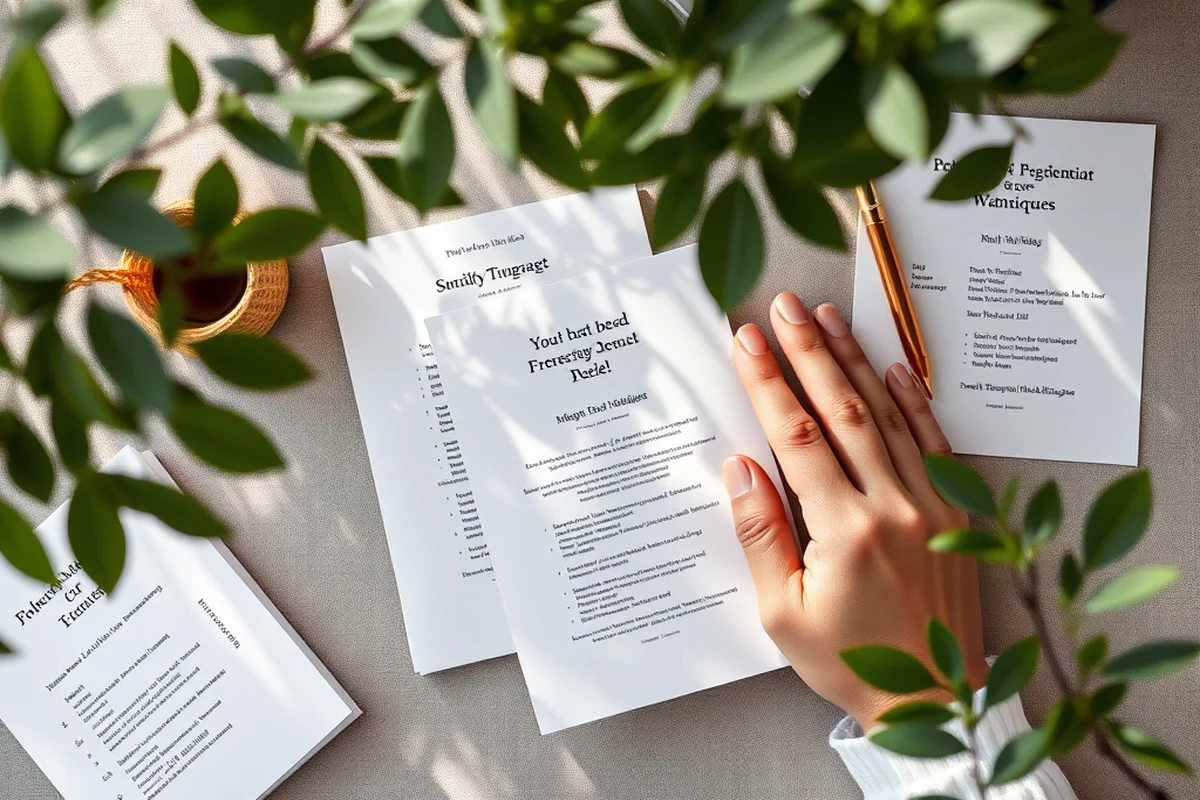
Collaboration with vendors and team members is one of the most critical aspects of event planning. If you don’t communicate clearly with them, you risk having last-minute changes, unexpected delays, or even complete failures in your event execution. That’s why I always make sure to set up clear communication channels and establish a shared understanding of the event’s goals and requirements.
I’ve found that using a shared project management platform, like Asana or Trello, is one of the best ways to keep everyone on the same page. These tools allow vendors and team members to see the project timeline, update their progress, and leave comments if they have any questions or concerns. This level of transparency helps prevent misunderstandings and ensures that everyone is working toward the same goal.
I also make it a point to schedule regular check-ins with vendors and team members to review progress and address any issues before they become major problems. These check-ins can be done in person, over the phone, or even via video call. Whatever method you choose, the key is to stay in constant communication and ensure that everyone is aligned with the event’s vision.
Tracking Budgets and Expenses
One of the biggest challenges in event planning is staying within your budget. Without proper tracking, it’s easy to overspend on small details and end up short on the bigger picture. That’s why I always use a budget-tracking tool, like Excel or Google Sheets, to monitor all my expenses.
I’ve found that setting up a budget spreadsheet with columns for each expense category—like venue, catering, décor, and marketing—makes it much easier to track where your money is going. I also set a budget limit for each category and make sure to stay within those limits as much as possible. This helps prevent overspending and ensures that you have enough money for the most important aspects of the event.
Another technique I use is the 10% rule, which states that you should never spend more than 10% of your total budget on any one category. This helps distribute your funds more evenly and ensures that you don’t end up with too much money in one area and not enough in another. I’ve used this technique for years, and it’s helped me stay within budget even for larger events.
Creating a Central Hub for All Information
One of the most effective tools I’ve used in event planning is a central hub where all information is stored in one place. This could be a shared project management platform, a cloud-based document folder, or even a dedicated event planning app. The key is to make sure that everyone involved in the event has access to the same information and can find what they need quickly.
I’ve found that using a cloud-based storage solution like Google Drive or Dropbox is a great way to centralize all your event-related documents. This allows you to store contracts, vendor agreements, event scripts, and other important files in one place, and it also makes it easy to share these files with team members or vendors.
Another benefit of having a central hub is that it helps prevent duplication of effort. If everyone can see the same information, they’re less likely to make duplicate requests or assign the same task to multiple people. This not only saves time but also reduces the risk of errors and miscommunication.
One place for everything, everything in one place.
Reviewing and Refining Your Planning Process
One of the most valuable lessons I’ve learned in event planning is the importance of reviewing and refining your process after each event. No matter how well you plan, there will always be things that can be improved. Taking the time to reflect on what worked and what didn’t can make a huge difference in future events.
I always schedule a debrief session with my team and key stakeholders after each event. During this session, we discuss what went well, what didn’t, and what we can do differently next time. This helps us identify any gaps in our planning process and make necessary adjustments.
Another technique I use is creating a post-event survey for attendees, vendors, and team members. This gives everyone an opportunity to share their feedback and insights, which can be incredibly valuable in refining your planning process. By listening to what others have to say, you can make more informed decisions and improve the overall quality of your events.
💰 Budget-Friendly Event
Keep costs low with free or low-cost tools like Trello and Google Sheets, and prioritize high-impact tasks.
🏠 Small-Space Party
Use digital tools to map out layouts and focus on creating an intimate, well-organized space.
🌳 Outdoor Event
Leverage weather-tracking apps and real-time communication tools to handle unpredictable outdoor conditions.
🍷 Grown-Up Version
Use advanced tools like Monday.com and Asana to manage complex schedules and ensure a seamless, elegant experience.
🎉 Low-Effort Party
Use simple planning tools and pre-set templates to minimize effort while still creating a memorable event.
| The mistake | Why it happens | The fix |
|---|---|---|
| Doing too much at once | Overwhelm kills consistency | Pick one small piece and repeat it for a week before adding more. |
| Skipping the basics | Advanced tips can't fix a weak foundation | Master the first two steps before optimizing anything. |
Project Management Tools And Techniques
Common Questions
What is the best project management tool for event planning?
How can I stay within budget when planning an event?
How can I ensure that my event runs smoothly on the day?
How can I improve my event planning process after each event?
References
- Understanding Project Management: Key Types and Techniques (investopedia.com)
- 5 FAH-5 H-210 MANAGING DEPARTMENT OF STATE PROJECTS (fam.state.gov)
Cite this guide
Corporate Event Planning Tools (2026). Project Management Tools And Techniques. https://planvelocity.com/project-management-tools-and-techniques/
Feel free to cite or share this guide.