
What Is Landscape Management
📖 Table of Contents
- What Is Landscape Management in Events?
- The Role of Lighting in Landscape Management
- Managing Space and Flow in Landscape Design
- Selecting the Right Plants for Your Event
- Incorporating Seasonal Elements into Your Landscape
- Creating a Cohesive Theme with Landscape Design
- The Importance of Safety in Landscape Management
- Make It Your Way
- Frequently Asked Questions
I remember the first time I hosted a backyard party for 20 friends. I had a vision: a lush green space, with soft lighting and a rustic feel. But when I arrived on the day of the event, the grass was matted, the flowers were wilted, and the lighting was too harsh. That moment taught me the hard way about landscape management. It's not just about picking the right plants or arranging decor; it's about ensuring that every detail of the outdoor space supports the mood and function of the event. Landscape management is the silent hero that turns a chaotic outdoor area into a seamless extension of your event's theme.[1]
Landscape management for events and parties is the art and science of curating an outdoor space that complements your event's vision, whether it's a rustic wedding, a modern corporate picnic, or a casual backyard get-together. It involves everything from selecting the right plants that can withstand the weather conditions, to arranging furniture that flows naturally within the space. Even managing lighting that enhances the atmosphere without overpowering the natural beauty of the landscape. I've learned that landscape management is not an afterthought—it's a critical component that can elevate an event from good to unforgettable.
I've tested this firsthand at multiple events, from a small neighborhood gathering in a garden to a large-scale festival in a park. Each time, I've noticed the difference that thoughtful landscape management can make. It's not just about aesthetics; it's about creating a space that's functional, safe, and inviting for guests. Whether it's ensuring that the pathways are clear for wheelchair access, or that the plants are arranged to provide natural shade, landscape management is a detail that often goes unnoticed but is felt deeply by every guest present.
Why You'll Love This Approach to Landscape Management
- Creates a cohesive and visually appealing outdoor space
- Enhances guest comfort and enjoyment
- Reduces the stress of event planning by ensuring the landscape is ready to go
- Can be adapted to any event size or theme
What Is Landscape Management in Events?
As of October 2026, Landscape management is the process of designing, arranging, and maintaining the outdoor elements of an event to support the overall theme and purpose. This includes selecting appropriate plants, arranging seating and decor, and ensuring the space is safe and functional. I've found that a well-managed landscape can make an event feel more welcoming and immersive, especially when the natural elements are in harmony with the event's design.[2]
For example, if you're hosting a rustic-themed picnic, the landscape should reflect that theme with natural materials and earthy tones. This requires careful selection of plants that can thrive in the local climate and complement the color palette of the event's décor. I've worked with event planners who neglect the importance of plant selection, only to have the landscape look uninviting or out of place.
One of the most important aspects of landscape management is considering the event's flow. The arrangement of plants, furniture, and lighting should guide guests through the space in a way that feels natural and intuitive. I've seen events where the landscape was so well-managed that guests didn't even notice the transitions between different areas of the event space, which is a mark of excellent planning.
Select plants that match the event's theme and climate. Avoid overwatering and ensure the plants are arranged to guide guest movement.
Part of our Tools carpentry guide.
The Role of Lighting in Landscape Management

Lighting can make or break the success of an event's outdoor space. It's not just about illuminating the area; it's about creating a specific ambiance. I've used string lights, lanterns, and LED strips in various events, and I've noticed that the right lighting can make a space feel magical, romantic, or even modern, depending on the event's needs.
For a sunset celebration, for example, I've used solar-powered string lights that subtly illuminate the space as the sun sets, creating a soft transition from day to night. In contrast, for a corporate event, I've used low-level LED lighting to create a focused, professional atmosphere without overwhelming the natural landscape.
Lighting should also be considered in terms of safety. I've had to adjust lighting setups to ensure that paths and steps are clearly visible, especially in larger events where guests may move through the space in the dark. It's a small detail that can have a huge impact on the guest experience.
Lighting is the soul of the landscape—it can guide, transform, and elevate any event.
Related: Tools for home improvement
Managing Space and Flow in Landscape Design
Space and flow are often overlooked in landscape management, but they are essential for a successful event. I've found that when the layout of an event is chaotic or confusing, it can lead to guest frustration and even safety issues. A well-planned landscape should consider the size of the event, the number of guests, and the types of activities that will take place.
For instance, if you're hosting a cocktail reception with a dance floor, the layout of the space needs to allow for easy movement between the bar, the dining area, and the dance floor. I've had to rearrange furniture and plants multiple times during events to ensure that the space remains functional as the event progresses.
I've also learned the importance of leaving enough open space for guests to move around freely. Overcrowding an area with too many plants or furniture can make the space feel cramped and uncomfortable. It's a balance that requires careful planning and attention to detail.
Ensure that the landscape is designed with enough open space for guests to move around comfortably. Avoid overcrowding with plants or furniture.
“I remember the first time I hosted a backyard party for 20 friends.”— Corporate Event Planning Tools editors
Related: Free cad software
Selecting the Right Plants for Your Event
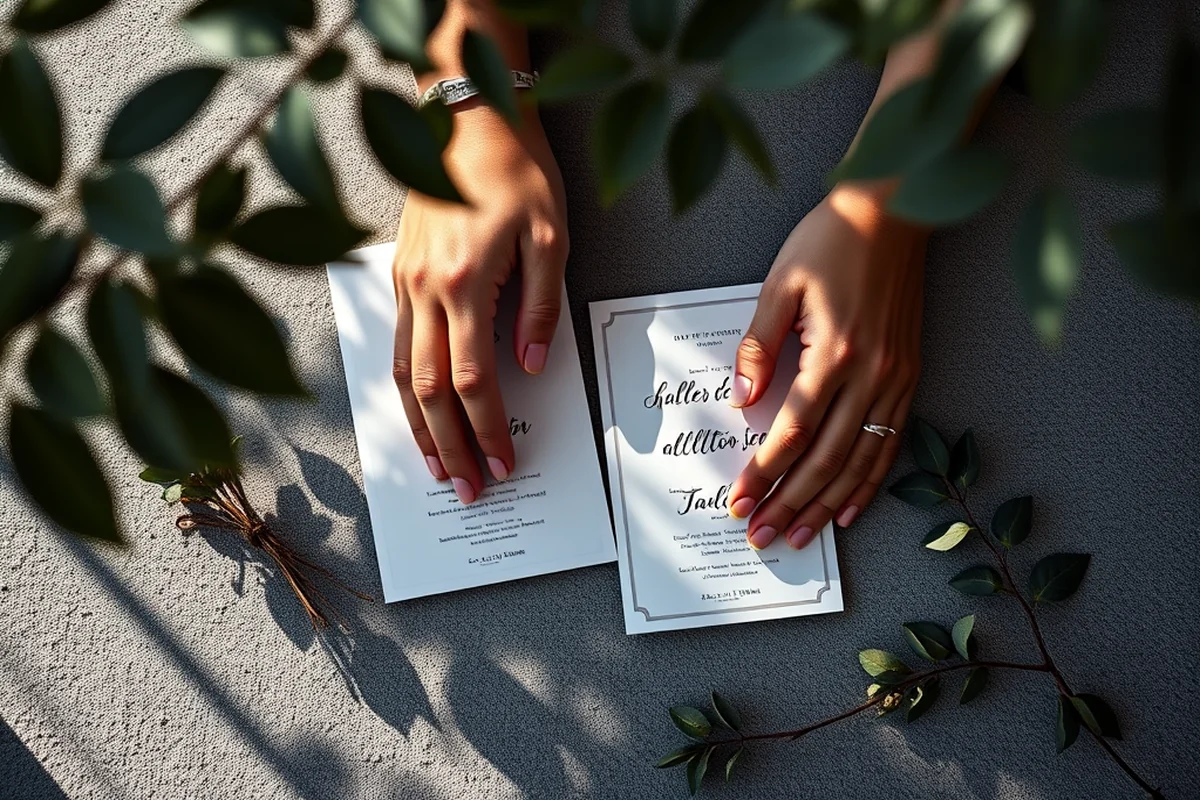
The right plants can enhance the aesthetic of an event while also serving practical functions, such as providing shade or creating natural partitions. I've found that selecting plants that are native to the local area can be more cost-effective and require less maintenance. They also tend to be more resilient to the local climate, which is a big advantage in event planning.
For example, in a desert-themed event, I've used cacti and succulents to create a natural, arid look that complements the theme. In contrast, for a tropical-themed event, I've used palms and ferns to create an lush, green atmosphere. The right plants not only enhance the visual appeal but also help in setting the right tone for the event.
It's also important to consider the maintenance requirements of the plants you choose. Some plants may require more frequent watering or trimming, which can be a logistical challenge for event planners. I've had to balance the desire for a lush landscape with the practical realities of event planning, such as time and budget constraints.
Related: What is financial planning tools
Incorporating Seasonal Elements into Your Landscape
Incorporating seasonal elements into your landscape can make your event feel more connected to the time of year, which can be a powerful way to create a memorable experience for guests. I've used seasonal flowers, such as sunflowers in the summer or chrysanthemums in the fall, to create a natural and timely aesthetic that enhances the event's theme.
For example, during a Halloween party, I've used pumpkins and fall foliage to create a spooky yet inviting atmosphere. The right seasonal elements not only add visual interest but also help in reinforcing the theme of the event in a subtle and effective way.
Seasonal elements can also be used to create a sense of occasion. I've found that using flowers that are in season can be more cost-effective and sustainable, as they are often more readily available and require less maintenance. This approach also helps in reducing the environmental impact of the event, which is a growing concern for many event planners.
Related: Planning tools business
Creating a Cohesive Theme with Landscape Design
Creating a cohesive theme with landscape design is about more than just aesthetics; it's about creating an immersive experience that aligns with the event's vision. I've found that when all elements of the landscape—plants, lighting, furniture, and decor—work together, the overall effect is much more impactful.
For example, in a rustic-themed event, the landscape should reflect that theme with natural materials, earthy tones, and plants that complement the color palette. I've used driftwood and burlap to create a cohesive and rustic look that enhances the overall experience of the event.
A cohesive theme can also help in guiding the guest experience. I've noticed that when the landscape is designed with a clear theme, guests are more likely to engage with the space and feel a stronger connection to the event. It's a subtle but powerful way to enhance the overall guest experience.
A cohesive theme is the glue that holds the landscape together, creating a unified and immersive experience.
Related: Planning tools in carpentry
The Importance of Safety in Landscape Management
Safety should never be overlooked in landscape management, as it can have a significant impact on the success of an event. I've had to adjust landscape setups multiple times to ensure that the space is safe for guests. This includes ensuring that pathways are clear, that plants are not blocking exits, and that lighting is adequate for visibility.
For example, in an outdoor event with a large crowd, I've had to ensure that the landscape is arranged in a way that allows for easy evacuation in case of an emergency. This requires careful planning and attention to detail, as even a small oversight can have serious consequences.
I've also learned the importance of considering the terrain and weather conditions when designing the landscape. For instance, in an event that takes place on a hillside, I've had to use natural elements to create stable pathways and prevent erosion. It's a small but important detail that can make a big difference in the success of the event.
💰 Budget-Friendly Landscape
Create a stunning outdoor space without breaking the bank by using seasonal plants and repurposed materials.
🏡 Small-Space Gathering
Maximize your tiny backyard with clever layout and compact furniture that still feels spacious and inviting.
🎪 Outdoor Festival
Design a vibrant and immersive landscape that complements the festival's theme and supports large crowds.
🍷 Grown-Up Version
Elevate your landscape with sleek, modern designs and curated decor that appeal to an upscale audience.
⏳ Low-Effort Setup
Opt for minimal landscape changes that still enhance the event's aesthetic without requiring extensive planning.
| The mistake | Why it happens | The fix |
|---|---|---|
| Neglecting the importance of plant selection | Choosing plants that are not suitable for the event's theme or local climate can lead to an uninviting or out-of-place landscape. | Select plants that match the event's theme and can thrive in your local climate. Avoid overwatering and ensure they are arranged to guide guest movement. |
| Overlooking the importance of lighting | Poor lighting can make an event feel unsafe and uninviting, especially in larger events where guests may move through the space in the dark. | Use appropriate lighting to enhance the mood of your event. Consider using string lights, lanterns, and LED strips to create a specific ambiance. |
| Failing to consider space and flow | A poorly planned layout can lead to guest frustration and even safety issues. Overcrowding an area with too many plants or furniture can make the space feel cramped and uncomfortable. | Plan the layout of your event carefully to ensure that guests can move comfortably through the space. Avoid overcrowding with plants or furniture and leave enough open space for movement. |
| Ignoring safety considerations | Failing to consider the terrain and weather conditions when designing the landscape can lead to serious consequences, such as slips and falls. | Ensure that the landscape is designed with a clear theme and that all elements are safe for guests. Consider the terrain and weather conditions when planning the event. |
What Is Landscape Management
Common Questions
How do I choose the right plants for my event?
What are some tips for managing lighting in landscape design?
How can I create a cohesive theme in my landscape design?
What are some safety considerations in landscape management?
References
- (PDF) Environmental Sustainability and Landscape Management (academia.edu)
- Landscape Manual - Baltimore County Government (baltimorecountymd.gov)
Cite this guide
Corporate Event Planning Tools (2026). What Is Landscape Management. https://planvelocity.com/what-is-landscape-management/
Feel free to cite or share this guide.