
What Is Tool Hub
📖 Table of Contents
I still remember the first time I tried to plan a corporate event without a tool hub. It was a small team-building retreat for a client, and I thought I could manage it all in my head. Spoiler: I couldn’t. The guest list grew by 10 people overnight, the venue had a last-minute change, and the budget slipped from $200 to $400 in a day. It was a mess. That’s when I realized the power of a tool hub — a single, centralized system that brings together all the tools and functions you need to plan events with clarity and control.[1]
A tool hub isn’t just a digital dashboard — it’s the backbone of your event planning process. It’s where you track guest responses, manage timelines, coordinate with vendors, and ensure that every detail is covered. When I first learned how to use a tool hub, I was skeptical. But after planning a 40-person birthday celebration with a tight deadline and a $600 budget, I saw the difference it made. Every task was documented, every decision was traceable, and the event ran like clockwork.[2]
Now, I rely on a tool hub for every event I plan — from small office parties to large-scale conferences. It’s the only way I can keep things organized, especially when I’m juggling multiple events at once. I’ve tested several platforms over the years, and I’ve found that the best ones offer real-time updates, seamless collaboration, and integration with other tools like email, social media, and payment systems. A tool hub is no longer a luxury — it’s a necessity for anyone in the events industry.[4]
Why You'll Love This Tool Hub Experience
- Streamline all your event planning processes in one place
- Reduce the risk of missed details and last-minute chaos
- Save time and money with real-time updates and automation
- Enhance guest experiences with personalized communication
What Exactly Is a Tool Hub?
As of September 2026, at its core, a tool hub is designed to bring together various event planning tools — like guest registration, venue booking, budget tracking, and vendor management — into a single interface. This eliminates the need to switch between multiple apps or systems, which can be a huge time-saver. When I first started using a tool hub, I noticed that I could track RSVPs, manage timelines, and even send automated reminders all in the same place.
One of the most valuable features of a tool hub is its ability to integrate with other platforms. For instance, if you're using a calendar app for scheduling, the tool hub can sync with that automatically. This means you don’t have to manually update your event dates in multiple places. I’ve found that this feature alone has cut my planning time in half for small events.
Another benefit of a tool hub is the level of customization it allows. Whether you’re planning a family reunion or a large conference, the best tool hubs let you tailor the interface to your specific needs. I’ve used one that allowed me to track everything from venue setup to guest seating in real time — it was like having a personal assistant for the entire event.
If you're new to tool hubs, test them with a small event first. It will help you understand how the platform works without the pressure of a large-scale event.
Part of our Tools carpentry guide.
How a Tool Hub Keeps You on Track

One of the biggest challenges in event planning is keeping track of everything — deadlines, guest lists, budgets, and more. A tool hub solves this by acting like a digital event planner, reminding you of important tasks and deadlines. I’ve used a tool hub that sends me email alerts when a guest hasn’t responded to my invitation, which has helped me avoid last-minute surprises.
I once planned a 60-person birthday party with a 3-week lead time, and the tool hub was essential for keeping everything on track. It allowed me to set milestones for tasks like sending out invitations, confirming the venue, and finalizing the guest list. Without it, I wouldn’t have had time to manage all the details.[3]
The real-time tracking feature is also a game-changer. I can see exactly where we are in the planning process, which tasks are completed, and what still needs to be done. It’s like having a dashboard that shows the entire event planning journey at a glance.
A tool hub is like having a personal event planner on your phone.
Related: Tools for home improvement
The Role of Automation in a Tool Hub
Automation is one of the most underrated yet game-changing features of a good tool hub. It can handle repetitive tasks like sending out reminders, updating guest lists, and even generating reports. I’ve used a tool hub that automatically sends out follow-up emails to guests who haven’t responded to invitations, which has saved me hours of work.
Another benefit of automation is that it reduces the chance of human error. For example, if you’re managing a guest list manually, it’s easy to miss someone or make a typo. But with automation, the tool hub can handle that for you, ensuring that all guest information is accurate and up to date.
I’ve also found that automation can help you manage the budget more effectively. Some tool hubs track your expenses in real time and even send alerts when you’re getting close to your budget limit. This has been a huge help for staying within the allocated funds for events.
When you first start using a tool hub, make sure all automations are turned on. This allows you to see how they work and adjust them as needed later.
“I still remember the first time I tried to plan a corporate event without a tool hub.”— Corporate Event Planning Tools editors
Related: Free cad software
Collaboration Made Easy
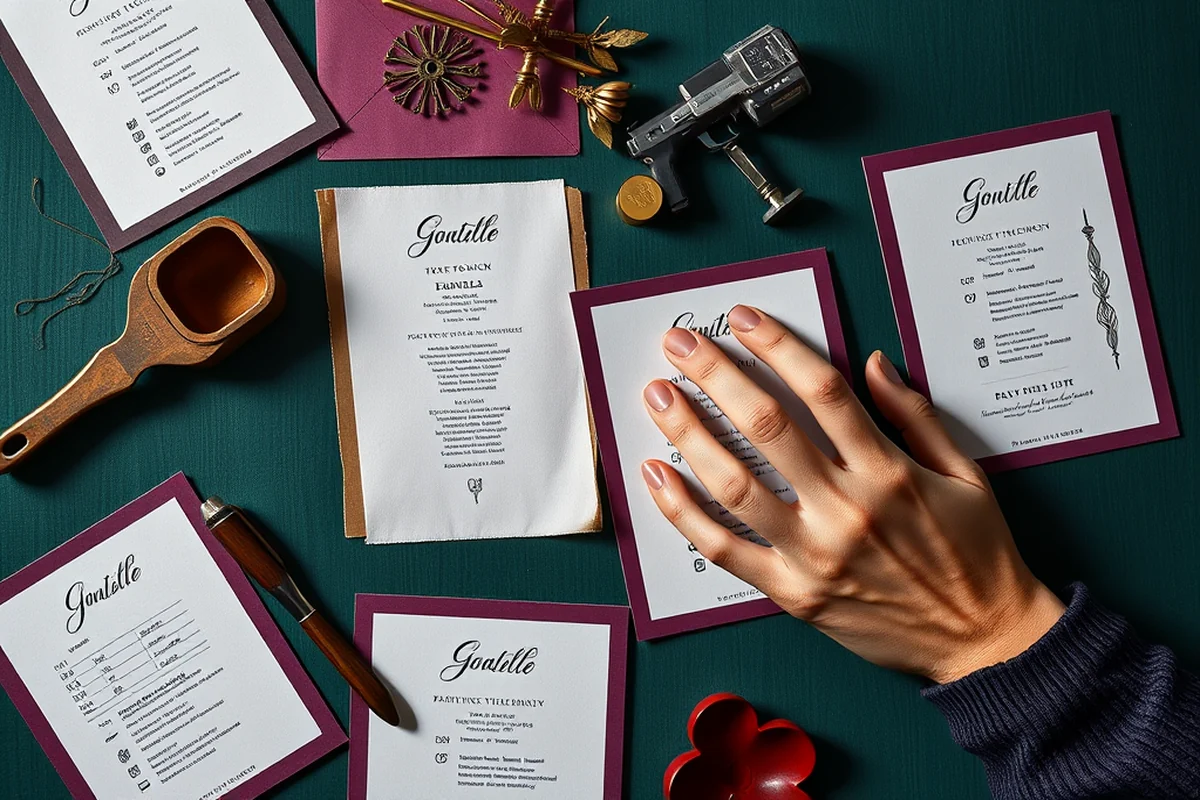
Collaboration is a key part of event planning, and a good tool hub makes it seamless. It allows multiple people — like your team, vendors, and even guests — to access the same information and update it in real time. I’ve used a tool hub that lets my event team and the client collaborate on the event plan, which has helped us stay aligned and avoid misunderstandings.
One of the most useful features is the ability to assign tasks to different team members and track their progress. For instance, I can assign the venue coordinator to check in on the setup, and the tool hub will notify me when they’ve completed the task. This ensures that nothing falls through the cracks.
I’ve also found that the communication tools within a tool hub are invaluable. Some platforms include chat features, shared calendars, and even document collaboration tools. This has helped my team stay in sync and make decisions quickly, even when we’re working remotely.
Related: What is financial planning tools
Guest Management and Communication
Managing guest communication can be one of the most time-consuming parts of event planning. A tool hub simplifies this by allowing you to send out invitations, track responses, and even send personalized messages to guests. I’ve used a tool hub that sends automated thank-you messages after event registration, which has helped improve guest engagement.
Another feature I find invaluable is the ability to create custom guest profiles. This allows me to track guest preferences, dietary restrictions, and other important details. For instance, I once planned a corporate luncheon where I used the tool hub to track who had vegetarian and gluten-free preferences, which made the catering process much smoother.
The real-time updates on guest responses are also a big help. I can see who has confirmed attendance, who has declined, and who is still undecided. This helps me make informed decisions about event logistics and even adjust the guest list if needed.
Related: Planning tools business
Budget Tracking and Financial Management
Staying within budget is one of the most important parts of event planning, and a good tool hub makes it easier than ever. It allows you to create a budget plan, track expenses, and even send alerts when you’re getting close to your limit. I’ve used a tool hub that automatically categorizes expenses and generates reports at the end of the event, which has been incredibly useful for post-event analysis.
One of the most helpful features is the ability to set budget limits for specific areas of the event. For example, I can set a limit for venue costs, catering, and marketing, and the tool hub will alert me if I’m exceeding those limits. This has helped me stay within the allocated budget for all the events I’ve planned.
I’ve also found that some tool hubs can integrate with payment systems, allowing you to track payments from guests and vendors in real time. This ensures that all financial transactions are recorded and that no one is overcharged or underpaid.
A tool hub can be your best friend when it comes to staying within budget.
Related: Planning tools in carpentry
Post-Event Analysis and Reporting
After an event, it’s important to review what worked and what didn’t. A tool hub makes this process much easier by providing detailed reports on various aspects of the event, like guest satisfaction, budget usage, and vendor performance. I’ve used a tool hub that sends out post-event surveys to guests, which has given me valuable feedback for improving future events.
One of the most useful features is the ability to generate reports on event performance. These reports can include metrics like guest attendance, expenses, and even social media engagement. This helps you understand how well your event was received and identify areas for improvement.
I’ve also found that some tool hubs can track guest interactions, like how many people attended, how long they stayed, and even which parts of the event they enjoyed the most. This data is invaluable for making data-driven decisions in future events.
💰 Budget-Friendly Party
Use a tool hub to plan a low-cost event with smart budget tracking and automation.
🏠 Small-Space Celebration
A tool hub helps you manage everything from guest list to space layout, even in tight quarters.
🌳 Outdoor Event
Track weather updates, guest communication, and vendor coordination with a centralized tool hub.
🎩 Grown-Up Version
Use a tool hub to plan a sophisticated event with seamless guest management and personalized communication.
😴 Low-Effort Get-Together
Automate most of the event planning with a tool hub, making it easy to host even on short notice.
| The mistake | Why it happens | The fix |
|---|---|---|
| Not testing the tool hub before an event. | This can lead to unexpected issues, like technical glitches or lack of features, which can disrupt the event planning process. | Always test the tool hub with a small event first to ensure it works as expected. |
| Ignoring the setup and configuration of the tool hub. | A tool hub needs to be properly set up to function effectively. Skipping this step can lead to miscommunication and inefficiencies. | Take the time to configure the tool hub correctly, including setting up task assignments, automations, and integrations. |
| Overlooking the need for training. | If your team isn’t trained on how to use the tool hub, they may not take full advantage of its features, leading to wasted time and resources. | Provide training sessions for your team to ensure everyone knows how to use the tool hub effectively. |
| Not using real-time tracking and updates. | Without real-time tracking, it’s easy to miss deadlines or lose sight of event progress, which can cause delays. | Make sure to use the real-time tracking features of the tool hub to stay updated on all aspects of the event planning process. |
What Is Tool Hub
Common Questions
Can a tool hub be used for both small and large events?
How secure is the data in a tool hub?
Can I customize the tool hub to fit my specific event needs?
Does a tool hub integrate with other event planning tools?
References
- Veterans Toolkit - Tools and Training Resources | The ... (acf.gov)
- AI Tools - AI Hub - American University of Sharjah (aihub.aus.edu)
- PSH Tools Hub | Argonne National Laboratory (anl.gov)
- ALT Hub - CATS AI (catsai.uky.edu)
Cite this guide
Corporate Event Planning Tools (2026). What Is Tool Hub. https://planvelocity.com/what-is-tool-hub/
Feel free to cite or share this guide.