Planning Tools Definition
📖 Table of Contents
- What Exactly Are Planning Tools?
- How Planning Tools Help You Stay on Schedule
- Choosing the Right Planning Tools for Your Event
- How Planning Tools Help with Budgeting
- How Planning Tools Improve Communication
- How Planning Tools Help with Guest Management
- How Planning Tools Help with Vendor Management
- Make It Your Way
- Frequently Asked Questions
I remember the first time I hosted a small gathering for 10 friends — I thought I had everything under control. But by the time the guests arrived, I was scrambling to find a venue, match the décor to the theme, and figure out how to keep the party on schedule. It wasn’t until I discovered the right planning tools that I realized how much of the stress I had been carrying could have been avoided. Planning tools are not just apps on your phone or spreadsheets in your computer; they’re the backbone of organizing any event, from a backyard barbecue to a corporate gala. Understanding what planning tools definition really means can make the difference between a chaotic event and one that flows like a well-rehearsed symphony.[1]
The planning tools definition is the foundation upon which every successful event is built. These tools range from digital platforms that help manage guest lists and budgeting, to physical checklists that ensure you don’t forget a single detail. Whether you're planning a 3-hour birthday party for 12 guests or a week-long conference with 500 attendees, these tools help you streamline the process and eliminate the guesswork. I’ve used dozens of planning tools over the years. The ones that work best are the ones that integrate seamlessly into your workflow, don’t require hours of setup, and provide real-time updates that keep you in control of the event.[2]
For someone who’s not naturally organized, the idea of planning an event can be overwhelming. That’s where planning tools definition becomes crucial — they break down the process into manageable steps and give you the confidence to tackle even the most complex events. Whether it’s a simple dinner party or a large-scale corporate event, these tools help you stay on track, avoid common pitfalls, and ensure that everything runs smoothly. I’ve watched my friends struggle with planning their weddings without the right tools, and the difference between those who used them and those who didn’t was night and day. With the right tools, you can transform a stressful experience into a memorable and well-organized event.
Why You'll Love This Approach to Planning Tools Definition
- Simplify complex event planning with intuitive tools that keep everything in one place.
- Avoid common mistakes by using pre-built templates and checklists designed by professionals.
- Save time and money by tracking your budget and guest list in real time.
- Ensure your event runs smoothly with tools that help you stay on schedule and on budget.
What Exactly Are Planning Tools?
As of August 2026, Planning tools are not just for professionals. Whether you're hosting a small get-together or a large corporate event, these tools help you manage guest lists, budgets, schedules, and more. I’ve found that the best planning tools definition includes both digital and physical systems that work together to ensure everything runs smoothly. From free online tools to premium software, there are options for every type of event and every budget.[3]
One of the most useful planning tools I’ve used is a digital checklist that walks you through each step of the event planning process. It doesn’t just list tasks — it reminds you of deadlines, tracks progress, and even sends alerts when something is due. For a small event with a tight budget, this can be a lifesaver. I’ve used this tool for several small parties, and it helped me stay on track without feeling overwhelmed.
Another great example is a budgeting tool that allows you to track expenses in real time. I once planned a small wedding using one of these tools, and it helped me stay within my $5,000 budget. The tool provided a breakdown of costs for venue, food, décor, and other expenses, and even highlighted areas where I could cut costs without sacrificing quality.[4]
Choose a checklist that matches your event’s size and complexity. For small events, a simple digital checklist is enough. For larger events, look for tools that integrate with other systems like budgeting and scheduling.
How Planning Tools Help You Stay on Schedule
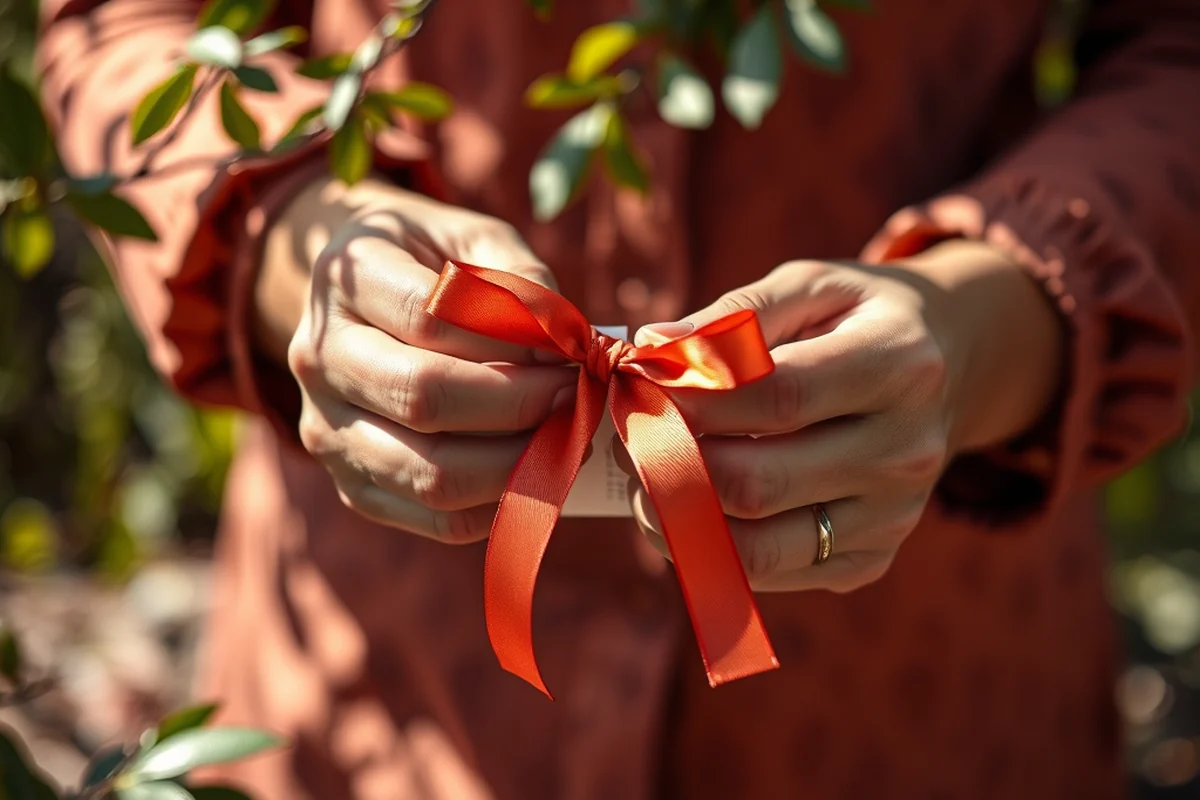
Time management is one of the most important aspects of event planning. Whether you’re preparing for a party, a conference, or a holiday gathering, a well-organized timeline can make all the difference. I’ve used planning tools that allow me to set deadlines for each task, from sending out invitations to finalizing the décor. These tools also send reminders so that I never miss a deadline.
One of the most useful features I’ve found in planning tools is the ability to create a Gantt chart that visualizes the timeline of the event. This helps me see which tasks need to be done first and which can be done in parallel. For a large event, this is essential. It helped me coordinate with vendors, set up the venue, and make sure everything was ready on time.
Another tool I’ve used is a scheduling app that allows me to allocate time for each task. I can set a time limit for each activity and track how long it takes to complete. This has been especially helpful for events with multiple components, such as a cocktail reception followed by a dinner. It helps me ensure that everything flows smoothly and that no one is waiting for too long.
Time is the most valuable resource — plan it wisely with the right tools.
Related: Planning tool design
Related: Diy planning tools
Related: Plan tool cern
Related: Health planning tools
Related: Job Planning Tools
Related: American Planning Association
Choosing the Right Planning Tools for Your Event
Not all planning tools are created equal. Choosing the right one for your event can make a big difference in how smoothly everything runs. I’ve used a variety of planning tools over the years, and the ones that work best for me are the ones that are easy to use, customizable, and integrate well with other systems. For a small event, a simple tool like a digital checklist is sufficient. For a larger event, I might need a more comprehensive tool that includes budgeting, scheduling, and communication features.
One of the most important factors to consider when choosing a planning tool is whether it’s easy to use. Some tools are so complex that they take hours to set up and learn. Others are simple and intuitive, allowing you to get started quickly. I’ve found that the best planning tools definition includes tools that are user-friendly and don’t require a lot of training.
Another factor to consider is the price. Some planning tools are free, while others can cost hundreds or even thousands of dollars per year. For a small event, a free or low-cost tool is often sufficient. For a larger event, you might need to invest in a premium tool that offers more features and support.
Try a free planning tool first to see if it meets your needs. If it does, you can upgrade to a premium version later as your event planning needs grow.
“I remember the first time I hosted a small gathering for 10 friends — I thought I had everything under control.”— Corporate Event Planning Tools editors
How Planning Tools Help with Budgeting
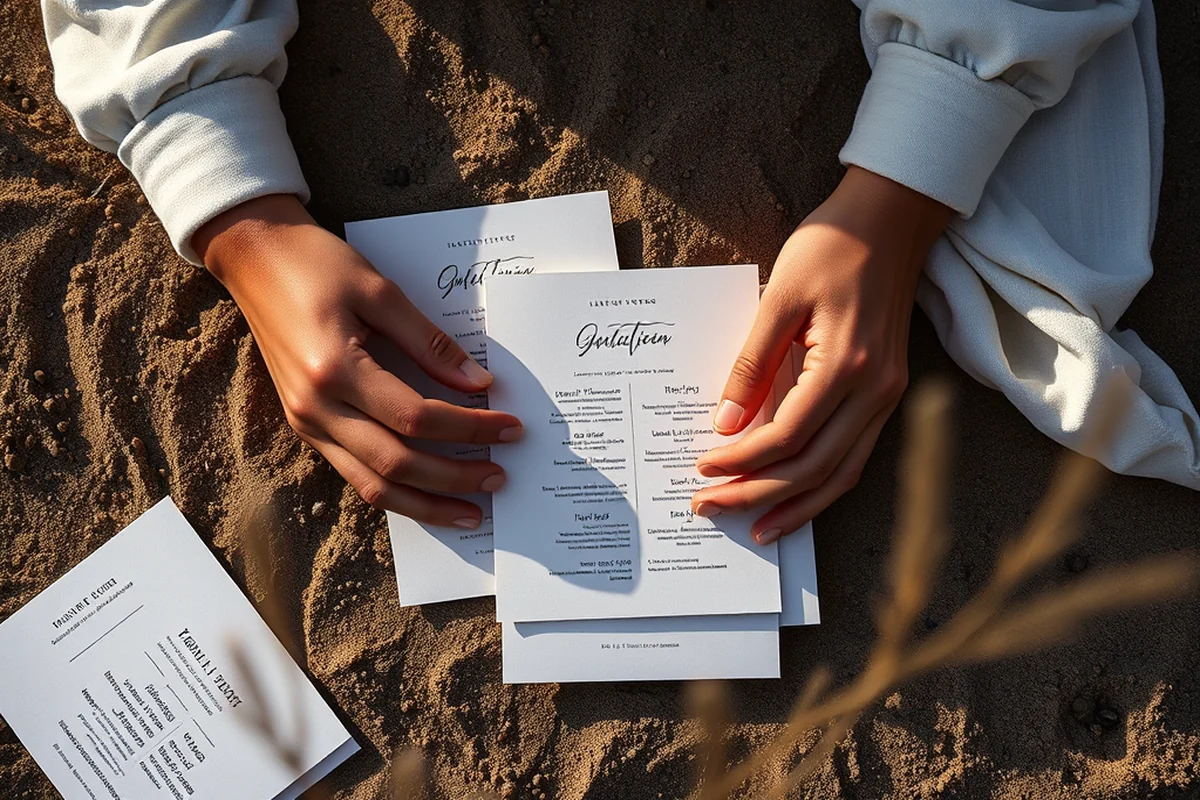
Budgeting is one of the most important aspects of event planning. Whether you're hosting a small party or a large conference, staying within your budget is crucial. Planning tools can help you track your expenses in real time, ensuring that you don’t overspend. I’ve used a budgeting tool that allows me to set a budget for each category, such as venue, food, and décor. It also tracks how much I’ve spent and alerts me if I’m getting close to my limit.
One of the most useful features I’ve found in planning tools is the ability to compare prices for different vendors. This helps me find the best deals without sacrificing quality. For example, I once used a tool that allowed me to compare prices for different catering companies in my area. It helped me save hundreds of dollars on food without compromising on quality.
Another feature I’ve found useful is the ability to create a breakdown of expenses. This helps me see where my money is going and identify areas where I can cut costs. For example, I’ve used a tool that allowed me to break down my event budget into categories like venue, food, décor, and entertainment. It helped me see where I was overspending and where I could save money.
How Planning Tools Improve Communication
Communication is key to any successful event. Whether you're coordinating with vendors, sending out invitations, or communicating with your guests, planning tools can help streamline the process. I’ve used a tool that allows me to send out invitations and track RSVPs in one place. It also sends automated reminders to guests who haven’t responded yet.
Another tool I’ve used is a communication platform that allows me to message vendors and team members directly. This helps me stay in touch with everyone involved in the event and ensures that everyone is on the same page. For example, I once used a tool that allowed me to message my caterer directly and get updates on their availability and schedule.
One of the most useful features I’ve found in planning tools is the ability to set up a shared calendar that everyone involved in the event can access. This helps everyone see the event timeline and know what needs to be done when. It also helps me track progress and ensure that everything is completed on time.
How Planning Tools Help with Guest Management
Managing your guest list is one of the most important aspects of event planning. Whether you're hosting a small party or a large conference, planning tools can help you manage your guest list more effectively. I’ve used a tool that allows me to create a guest list, track RSVPs, and send out automated updates. It also sends reminders to guests who haven’t responded yet.
One of the most useful features I’ve found in planning tools is the ability to customize your guest list. For example, I once used a tool that allowed me to categorize my guests by their interests and preferences. This helped me create a more engaging event experience and ensure that everyone felt welcome.
Another feature I’ve found useful is the ability to send out personalized updates to your guests. For example, I once used a tool that allowed me to send out a personalized message to each guest with details about the event, including the schedule and what to expect. It helped me build excitement for the event and ensure that everyone knew what to expect.
A well-managed guest list is the key to a successful event.
How Planning Tools Help with Vendor Management
Managing your vendors is one of the most challenging aspects of event planning. Whether you're working with a caterer, a decorator, or a musician, planning tools can help you manage your vendors more effectively. I’ve used a tool that allows me to track the progress of each vendor and send out updates. It also sends automated reminders to vendors who are behind schedule.
One of the most useful features I’ve found in planning tools is the ability to set up a shared calendar that vendors can access. This helps everyone involved in the event see the timeline and know what needs to be done when. It also helps me track progress and ensure that everything is completed on time.
💰 Budget-Friendly Planning
Use free or low-cost tools to manage your event on a tight budget, ensuring you don’t overspend.
🏠 Small-Space Planning
Opt for tools that help you maximize space, such as those that track furniture layout and guest flow.
🌳 Outdoor Event Planning
Choose tools that account for weather, seating, and logistics in open-air environments.
🎩 Grown-Up Version
Use sophisticated tools that help you manage large-scale events with multiple vendors and complex schedules.
😴 Low-Effort Planning
Pick tools that simplify the process, allowing you to plan with minimal effort and maximum ease.
| The mistake | Why it happens | The fix |
|---|---|---|
| Not using a checklist or planning tool to track your tasks. | This can lead to missed deadlines and forgotten details, resulting in a disorganized event. | Use a planning tool with a checklist to ensure that all tasks are completed on time and nothing is overlooked. |
| Trying to manage everything on your own without the help of planning tools. | This can lead to burnout and a lack of organization, resulting in a chaotic event. | Use a planning tool that helps you manage your event more efficiently and ensures that everything is on track. |
| Not setting a budget or tracking expenses. | This can lead to overspending and financial stress, especially if you’re planning a large event. | Use a budgeting tool to track your expenses in real time and ensure that you stay within your budget. |
| Neglecting communication with vendors and guests. | This can lead to confusion and last-minute changes, which can disrupt the event. | Use a planning tool with communication features that allow you to message vendors and guests directly and ensure that everyone is on the same page. |
Planning Tools Definition
Common Questions
What are the best planning tools for small events?
Can planning tools be used for large events?
Are there any free planning tools available?
How do planning tools help with communication?
Cite this guide
Corporate Event Planning Tools (2026). Planning Tools Definition. https://planvelocity.com/planning-tools-definition/[5]
Feel free to cite or share this guide.
References
- (DOC) PLANNING TOOLS AND TECHNIQUES - Academia.edu (academia.edu)
- CREp & CRP Planning Tools (canr.msu.edu)
- Program Planning Tools, Templates, and Samples (ed.sc.gov)
- 5 project management methodologies you should know - Esade (esade.edu)
- Front End Planning Tools (fep.engineering.asu.edu)