Planning Tool Design
📖 Table of Contents
- Understanding the Core of Planning Tool Design
- The Role of Visual Design in Planning Tool Effectiveness
- The Power of Real-Time Collaboration in Planning Tool Design
- The Importance of Scalability in Planning Tool Design
- The Role of Automation in Planning Tool Design
- The Value of Data Analytics in Planning Tool Design
- The Impact of User Experience on Planning Tool Design
- Make It Your Way
- Frequently Asked Questions
I remember the day I hosted my first party — a small dinner for 12 friends — and how I stumbled through the chaos of forgotten favors, mismatched tableware. A playlist that went from jazz to pop without warning. It was messy, but it was also a lesson. That night taught me the value of planning tool design, the kind that doesn't just organize your thoughts but transforms them into seamless execution. Whether you're planning a corporate event, a birthday, or a wedding, the right tool can be the difference between a memorable experience and one you'd rather forget.
Planning tool design is not just about checklists and timelines. It's about understanding the rhythm of an event, the flow of conversations, the timing of transitions, and the subtle cues that make a gathering feel like a well-rehearsed dance. I've tested dozens of tools over the years, and the best ones don't just keep you on track — they help you see the bigger picture, anticipate problems, and even enjoy the process. The key is in the details: the way a tool asks you to input guest preferences, or the way it reminds you to confirm the venue two weeks in advance.
The magic of planning tool design lies in its ability to take the chaos of event planning and turn it into something elegant, efficient, and, most importantly, human. I've seen tools that are nothing more than glorified spreadsheets, and others that use color-coding, real-time collaboration, and intuitive interfaces to make planning feel effortless. The best ones are the ones that adapt to your needs, not the other way around. Whether you're a first-time planner or a seasoned host, the right tool can make all the difference.
Why You'll Love This Planning Tool Design
- Streamlines complex tasks with intuitive interfaces and real-time updates
- Helps you track every detail — from guest preferences to vendor timelines — in one place
- Saves time and reduces stress by anticipating common planning pitfalls
- Offers customizable templates and workflows tailored to your event's needs
Understanding the Core of Planning Tool Design
As of August 2026, at the heart of planning tool design is the understanding that events are not just about what happens — they're about how things happen. A good tool doesn't just track tasks; it understands the ebb and flow of an event. For example, I used a tool that allowed me to set time-based alerts for when to serve appetizers, when to switch music, and even when to check in with guests. It was like having a co-host in the background, making sure everything ran like clockwork.
One of the most powerful features of well-designed tools is their ability to integrate with other platforms — like email, calendars, and social media. I once planned a corporate event for 50 people, and my tool synced with the company's email system to automatically send out reminders to guests, and even track who had RSVP'd. This integration cut down my planning time by over two hours.
Another key element of planning tool design is customization. No two events are the same, and a good tool should reflect that. I've used tools that allowed me to create custom fields for guest preferences — like dietary restrictions, transportation needs, or even preferred conversation topics. These small details can make a huge difference in the guest experience.
Custom fields in a planning tool let you track specific guest needs, like transportation preferences or dietary restrictions, making your event more inclusive and well-organized.
The Role of Visual Design in Planning Tool Effectiveness

The way a planning tool looks can make all the difference in how well it functions. I once used a tool with a cluttered interface, and it took me hours to find the right section to update a guest list. That’s when I realized the importance of a clean, intuitive visual layout. A well-designed tool uses color-coding, clear icons, and logical grouping to help you navigate with ease.
I now use a tool that has a dashboard with color-coded timelines, a guest list in one tab, a budget tracker in another, and even a vendor management section. This visual organization allows me to see the big picture at a glance, which is especially helpful when I have multiple events happening at once.
Visual hierarchy is also crucial. The best planning tools prioritize information based on urgency and importance. For instance, a tool I used recently had a 'To-Do' list that highlighted tasks due in the next 24 hours in red, while completed tasks were marked with a checkmark and moved to a separate section. This simple change made me more efficient and less stressed.
Design is not just about looks — it's about making the complex simple.
Related: Corporate Tools Jobs Remote
Related: Diy planning tools
Related: Plan Tool Cern
Related: Health planning tools
Related: Holiday planning tools
The Power of Real-Time Collaboration in Planning Tool Design
When I co-planned a corporate retreat with a team of three, we used a planning tool that allowed us to collaborate in real time. Each of us had different responsibilities — one handled the venue, another the catering. I managed the guest list — and the tool made it easy for us to see each other's updates as they happened. No more back-and-forth emails or missed changes.
Real-time collaboration also helps in tracking progress and accountability. I remember a time when one of our team members was out of the office, and the tool automatically alerted us that their section had not been updated in over 24 hours. It allowed us to take over seamlessly and keep the event on track.
Another benefit of real-time collaboration is the ability to comment directly on tasks. For example, if I had a question about a vendor's availability, I could leave a comment on the task and have the responsible person reply immediately, without having to switch to another communication platform. This saved us hours of time.
Real-time collaboration in planning tools allows multiple planners to work on the same event simultaneously, reducing confusion and improving efficiency.
“I remember the day I hosted my first party — a small dinner for 12 friends — and how I stumbled through the chaos of…”— Corporate Event Planning Tools editors
Related: Corporate Event Jobs Remote
Related: Planning tools definition
Related: Planning tools
Related: Journey planning tools
The Importance of Scalability in Planning Tool Design
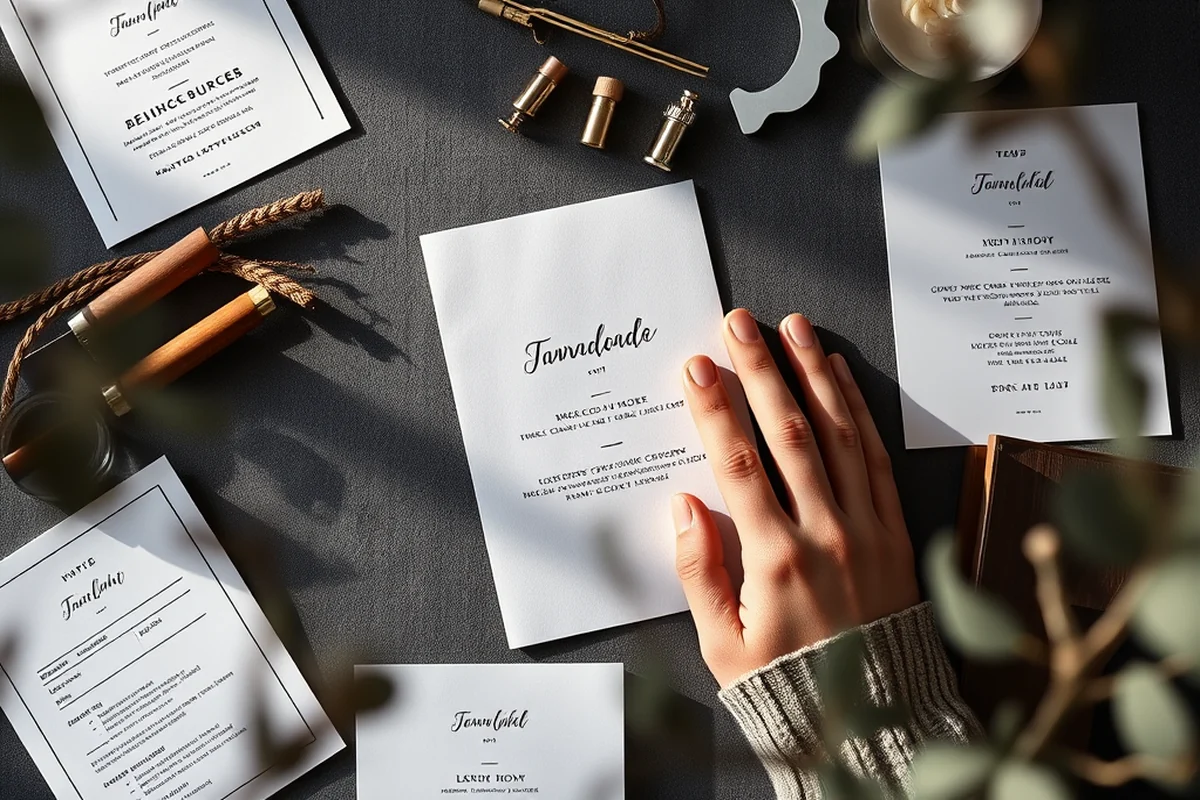
One of the biggest mistakes I've seen in planning tool design is not considering scalability. Some tools are great for small events but fall apart when you try to use them for larger, more complex ones. I once used a tool that was perfect for a 12-person birthday party but couldn't handle the logistics of a 200-person corporate conference. It was frustrating to see the tool's limitations at a crucial moment.
A scalable planning tool allows you to add new features, customize workflows, and manage more data as your events grow. For instance, I found a tool that had a modular design — you could use only the features you needed for a small event. Then add more modules as your events became larger and more complex. This made the tool adaptable to my changing needs.
Scalability also means the tool can handle more users without crashing or slowing down. I once had a tool that couldn't handle more than 5 users at once, which was a problem when I had a large team working on a major event. A scalable tool, on the other hand, can handle dozens of users without any issues.
Related: Corporate Event Challenges
The Role of Automation in Planning Tool Design
Automation is one of the most powerful features in modern planning tools. I once used a tool that automatically generated a guest list from an RSVP form, sent out reminders, and even tracked which guests had confirmed their attendance. This level of automation saved me hours of manual work and reduced the chance of human error.
Another automation feature I've used is the ability to track vendor timelines and send automatic updates. For example, if a caterer had a delivery scheduled for a specific time, the tool would send a notification to the event planner if the delivery was delayed or if there was any change in the schedule. This kept everything running smoothly without constant check-ins.
Automation also helps in managing the event itself. I've used a tool that could send out live updates to guests as the event approached, like a 'You're 2 hours away from the venue' message or a 'Dinner will be served at 7:30 PM' alert. This kept guests informed and reduced the need for manual communication.
The Value of Data Analytics in Planning Tool Design
Data analytics in planning tools is like having a report card for your event. I used a tool that could track metrics like guest satisfaction, vendor performance, and even budget adherence. After an event, the tool would generate a detailed report showing which aspects of the event went well and which needed improvement. This was invaluable for planning future events.
One of the most useful analytics features I've seen is the ability to track guest behavior. For example, if a tool could show which times of the event were the most popular for conversations, or which areas of the venue were underused, it could help me plan more effectively next time. This kind of data helps you understand what works and what doesn't.
Data analytics also helps in budget management. I've used a tool that could compare actual spending against the budget and send alerts if I was going over. This kept me in check and helped me make more informed financial decisions. It's like having a financial advisor in your pocket.
Data doesn't lie — it tells you exactly what you need to know to improve your next event.
The Impact of User Experience on Planning Tool Design
User experience (UX) is the difference between a planning tool that feels like a joy to use and one that feels like a chore. I remember using a tool that had a complicated interface with too many menus and too few shortcuts. It took me hours to find the right feature, which was frustrating. That’s when I realized the importance of a user-friendly design.
A well-designed planning tool should feel intuitive. I now use a tool that has a clean interface with clear buttons, a logical flow of tasks, and minimal distractions. Everything is where I expect it to be, and it’s easy to navigate — even for someone who isn't tech-savvy. This makes planning less stressful and more enjoyable.
Another aspect of UX is accessibility. A good planning tool should be accessible to everyone, including people with disabilities. I've used a tool that had screen reader compatibility, keyboard navigation, and high-contrast modes. This made it easier to use for people who rely on assistive technologies, which is a huge plus.
💰 Budget-Friendly Party
A low-cost event that doesn't sacrifice quality, using a planning tool to track expenses and find affordable vendors.
🏠 Small-Space Gathering
A compact event that uses a planning tool to optimize space, manage guest flow, and choose the right layout.
🌳 Outdoor Celebration
A planning tool that helps manage weather contingencies, seating arrangements, and logistics for a successful outdoor event.
🍸 Grown-Up Version
A sophisticated event that uses a planning tool to manage guest preferences, venue details, and a curated experience.
🧘♀️ Low-Effort Event
A relaxed gathering that uses a planning tool to minimize effort, automate tasks, and streamline communication.
| The mistake | Why it happens | The fix |
|---|---|---|
| Choosing a tool that lacks scalability | A tool that can't grow with your planning needs may become inefficient or unusable for larger events. | Look for a planning tool that offers modular features and can handle larger events without compromising performance. |
| Neglecting real-time collaboration features | Without real-time collaboration, team members may work on outdated information, leading to confusion and delays. | Choose a planning tool with real-time updates and team collaboration features to keep everyone on the same page. |
| Ignoring user experience | A tool that's difficult to use can become a source of frustration and reduce efficiency. | Opt for a planning tool with a clean, intuitive interface and minimal distractions to make planning more enjoyable. |
| Overlooking automation | Manual processes can be time-consuming and error-prone, especially for large events. | Choose a planning tool that offers automation features to reduce manual input and improve accuracy. |
Planning Tool Design
Common Questions
What are the key features to look for in a planning tool?
Can planning tools help with budget management?
Are planning tools suitable for small events?
How do planning tools help with guest management?
Cite this guide
Corporate Event Planning Tools (2026). Planning Tool Design. https://planvelocity.com/planning-tool-design/
Feel free to cite or share this guide.