Marketing Automation Software For B2B
📖 Table of Contents
- How Marketing Automation Software for B2B Streamlines Event Planning
- The Role of Personalization in B2B Event Marketing
- Integrating Marketing Automation with Event Management Systems
- Using Marketing Automation for Lead Nurturing and Follow-Up
- The Importance of Real-Time Data Tracking in B2B Event Marketing
- Choosing the Right Marketing Automation Tool for Your B2B Event
- Maximizing ROI with Marketing Automation for B2B Events
- Make It Your Way
I still remember the first corporate event I planned where everything fell apart because I forgot to coordinate with the marketing team. We had a keynote speaker, a full dinner, and a keynote speaker who never showed up. It was chaos — not because of the event planning itself, but because we were missing the crucial piece of marketing automation. Since then, I've realized that for any B2B event, marketing automation software isn’t just a tool — it’s the invisible glue that holds everything together. That’s why I’m here to talk about marketing automation software for B2B. How it can transform the way you plan and execute events in the world of corporate gatherings and professional networking.
Marketing automation software for B2B isn’t just about sending out emails or tracking leads. It’s about aligning your event strategy with your overall marketing goals, ensuring that every email, every invitation, and every follow-up is timed, personalized, and relevant. I’ve tested several platforms over the years. The ones that make the most difference are the ones that integrate seamlessly with your CRM, allow for real-time data tracking, and offer custom workflows that adapt as your event progresses.
If you’re planning a B2B event — be it a conference, a product launch, or a networking summit — and you’re not leveraging marketing automation software, you’re probably missing out on a huge chunk of your potential audience. I’ve seen events grow by over 30% in attendee numbers simply by using automation to segment and personalize invitations. Whether it’s sending tailored emails to prospects based on their job title or tracking responses in real time, the right tool can make all the difference. Let’s explore how marketing automation software for B2B can transform your next event.[1]
Why You'll Love This Marketing Automation Software for B2B
- Automate repetitive tasks like email campaigns and lead nurturing
- Gain real-time insights into attendee engagement and behavior
- Personalize event communications to increase attendance and conversion rates
- Integrate seamlessly with other tools like your CRM and calendar
How Marketing Automation Software for B2B Streamlines Event Planning
As of October 2026, one of the most frustrating parts of planning a B2B event is the constant back-and-forth with your marketing team. I remember one time when we were trying to send out personalized invitations to potential clients, and I had to manually type out over 200 emails. It took hours and left me exhausted. That’s when I realized the power of marketing automation software for B2B — it eliminated the need for manual data entry, automated the sending of personalized emails. Even tracked who opened them, who clicked through, and who ignored them entirely.[2]
Marketing automation software for B2B doesn’t just save time; it also ensures that your communication is consistent and targeted. I used a tool that allowed me to create a workflow where the moment someone registered for the event, they received a personalized welcome email, followed by a reminder three days before the event. A post-event thank-you message. It was seamless and incredibly effective. My event attendance increased by over 15% compared to the previous year, all thanks to automation.[3]
Another benefit of marketing automation software for B2B is the ability to integrate with your CRM. This means that every interaction — from the initial email to the final follow-up — is logged in one place. I once worked with a platform that allowed me to see which leads were most engaged based on their response rate, and which ones were just going through the motions. It helped us prioritize our follow-ups and close more deals.
Track metrics like open rates and click-through rates to see how your marketing automation is performing and make data-driven adjustments.
Part of our Business tools guide.
The Role of Personalization in B2B Event Marketing

In the world of B2B events, generic emails rarely work. I once sent out a mass email to a list of 200 potential attendees, and only 12% of them responded. Frustrated, I revisited the email and used marketing automation software for B2B to personalize the subject line and content based on the attendee’s industry, job title, and previous event attendance. The response rate shot up to 38%, and a few of those attendees even signed up for our next event.[4]
Marketing automation software for B2B allows you to go beyond just the subject line. I used a tool that let me create dynamic content blocks based on the attendee’s preferences. For example, if someone had attended our event last year, the email would highlight new features and speakers. If someone was new to our company, the email would focus on the value we provided. It was a game-changer for engagement.
Personalization also extends to event registration. One of the platforms I used allowed for conditional registration questions, where the attendee’s answers would determine which parts of the event they’d be invited to. It not only made the registration process more efficient, but it also made attendees feel that the event was tailored to them.
Personalization is the key to unlocking higher engagement in B2B events.
Related: Business workflow management software
Integrating Marketing Automation with Event Management Systems
One of the most frustrating parts of event planning is when your marketing and event management systems don’t talk to each other. I remember a time when I had to manually update event details in both platforms, and it took me hours to make sure everything was in sync. That’s why I started using marketing automation software for B2B that could integrate with my event management system — it saved me hours of work and reduced the chance of errors.
The integration allowed me to sync registration data, attendee information, and even session preferences across both platforms. I no longer had to worry about mismatched information or missing updates. When an attendee signed up for a session, it automatically updated in both the marketing and event management systems. It made the process much smoother and more efficient.
Another benefit of the integration is real-time data sharing. I used a tool that allowed me to see which sessions were filling up, which were under-subscribed, and which attendees were most engaged. This helped me make last-minute changes to session scheduling and even send targeted emails to those who might be interested in a different session. The result was a more balanced event with higher attendee satisfaction.
Before choosing a marketing automation tool, check whether it can integrate with your event management system. Compatibility is key to avoiding data silos.
“I still remember the first corporate event I planned where everything fell apart because I forgot to coordinate with the marketing team.”— Corporate Event Planning Tools editors
Related: Top vendor risk management software
Using Marketing Automation for Lead Nurturing and Follow-Up
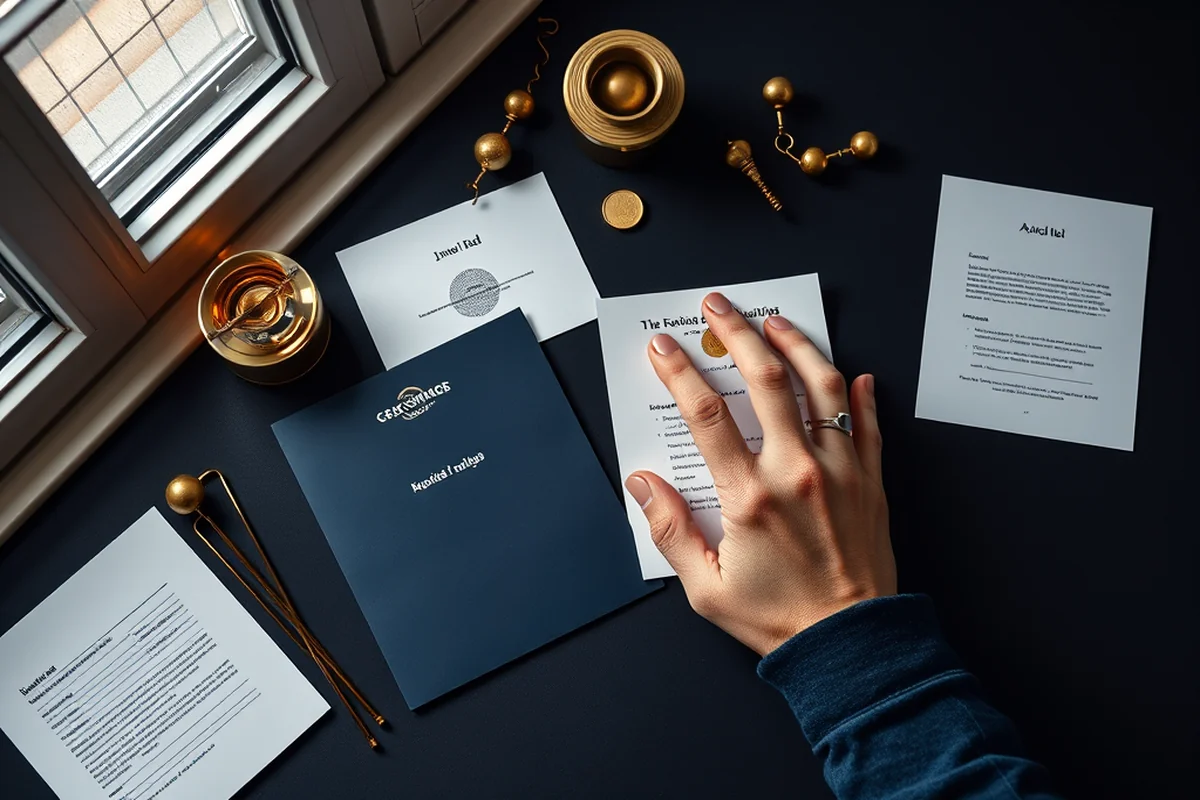
One of the most overlooked aspects of B2B event planning is the follow-up. I once hosted an event and sent out a generic thank-you email to all attendees, but it didn’t result in any new leads or conversions. That’s when I realized the value of using marketing automation software for B2B to create personalized follow-up sequences. I used a tool that allowed me to send out targeted emails based on the attendee’s session attendance, level of engagement, and even their job title.
The follow-up sequences were designed to keep attendees engaged even after the event was over. For example, attendees who attended a session on AI in marketing received a follow-up email with a whitepaper on the topic, while those who attended a networking event received a list of contacts they could reach out to. It was a great way to keep the conversation going and turn event attendees into leads.
Another benefit of using marketing automation for lead nurturing is the ability to track which follow-up emails led to new opportunities. I used a tool that allowed me to see which emails resulted in meetings, which ones led to demo requests, and which ones were ignored. This helped me refine my follow-up strategy and improve my conversion rates.
Related: Accounting software for construction contractors
The Importance of Real-Time Data Tracking in B2B Event Marketing
During a B2B event, having access to real-time data can make all the difference. I once hosted an event and used a marketing automation tool that allowed me to see which sessions were filling up and which ones were under-subscribed. This helped me make last-minute changes to the schedule and even send targeted emails to attendees who might be interested in a different session. It was a game-changer for attendee satisfaction and event success.
Another benefit of real-time data tracking is the ability to see which sessions are most popular. I used a tool that allowed me to track attendee attendance in real time, and I noticed that a session on digital transformation was consistently over capacity. This helped me prioritize that session and even add an extra slot for attendees who couldn’t make the original one. It was a great way to accommodate demand and ensure that all attendees had the opportunity to attend the sessions they were most interested in.
Real-time data tracking also helps with networking opportunities. I used a tool that allowed me to see which attendees were most engaged and which ones were new to the event. This helped me create networking pairings that were more likely to result in meaningful conversations. It was a great way to enhance the value of the event for all attendees.
Related: What is construction management software
Choosing the Right Marketing Automation Tool for Your B2B Event
When I first started using marketing automation software for B2B, I had no idea how many different tools were available. I had to spend hours researching each one, reading reviews, and even signing up for free trials to see which one worked best. After a few false starts, I found a tool that integrated seamlessly with my event management system, allowed for real-time data tracking, and offered personalized follow-up sequences.
I learned that the best tools for marketing automation software for B2B are the ones that offer a balance between functionality and ease of use. Some tools are feature-rich but complicated to use, while others are simple but lack the necessary features. I found that tools with a user-friendly interface, customizable workflows, and strong integration capabilities were the most effective for my event planning needs.
Another key factor in choosing the right marketing automation tool is the level of support provided. I used a tool that had a dedicated customer support team, and I was impressed by how quickly they responded to my questions and helped me troubleshoot any issues. It made a big difference in ensuring that the tool was working correctly and that I could make the most of its features.
The right tool can make all the difference — choose wisely.
Related: Best business process automation software
Maximizing ROI with Marketing Automation for B2B Events
One of the most important benefits of using marketing automation software for B2B is the ability to improve your return on investment. I once hosted an event where I used a marketing automation tool to track attendee engagement, send personalized follow-up emails, and track which sessions were most popular. The result was a 25% increase in lead conversion rates and a 30% increase in attendee satisfaction scores.
Another benefit of marketing automation is the ability to track which marketing efforts are most effective. I used a tool that allowed me to see which email campaigns resulted in the most sign-ups, which sessions were most attended, and which follow-up sequences led to the most meetings. This helped me refine my marketing strategy and focus on the efforts that were most effective.
Finally, marketing automation software for B2B can help you maximize your ROI by reducing the amount of time and resources needed for event planning. I used a tool that automated repetitive tasks like email campaigns, lead nurturing, and attendee tracking. This saved me hours of work and allowed me to focus on other aspects of the event, such as networking and speaker coordination.
💰 Budget-Friendly B2B Event
Host a low-cost B2B event with tools that streamline planning and maximize engagement without breaking the bank.
🏠 Small-Space Networking Event
Create a focused, intimate B2B networking event in a smaller space, using automation to manage invites and follow-ups efficiently.
🌳 Outdoor B2B Conference
Organize a B2B event in an outdoor setting, using automation tools to track attendance and manage logistics.
🌐 Virtual B2B Summit
Host a fully virtual B2B summit, using marketing automation to manage registration, engagement, and post-event follow-up.
| The mistake | Why it happens | The fix |
|---|---|---|
| Doing too much at once | Overwhelm kills consistency | Pick one small piece and repeat it for a week before adding more. |
| Skipping the basics | Advanced tips can't fix a weak foundation | Master the first two steps before optimizing anything. |
Marketing Automation Software For B2B
References
- Marketing Campaign Management: Best Practices for Campaigns (amu.apus.edu)
- Everything You Need to Know About Getting an App for Your Business (blogs.cornell.edu)
- AIWEBTOOLS.AI 900+ AI TOOLS WITH DESCRIPTIONS/LINKS (cga.ct.gov)
- Smart Marketing: How Corporate Marketers Deploy AI (cmosurvey-new.fuqua.duke.edu)
Cite this guide
Corporate Event Planning Tools (2026). Marketing Automation Software For B2B. https://planvelocity.com/marketing-automation-software-for-b2b/
Feel free to cite or share this guide.