Master Data Management
📖 Table of Contents
- What is Master Data Management in Events?
- The Role of MDM in Guest Experience
- How MDM Improves Vendor Collaboration
- The Impact of MDM on Budgeting
- MDM and Timeline Management
- MDM in Crisis Management
- MDM and Data Security
- MDM and Enhancing Post-Event Analytics
- MDM and Scalable Event Planning for Multi-Location Events
- Make It Your Way
- Frequently Asked Questions
I remember the chaos of my first corporate event — a 300-person product launch where our guest list had duplicates, the venue booking was in the wrong city. We had no idea who our VIPs were. It was a disaster, but it taught me the power of master data management in events and parties. From that moment on, I've made it my mission to help others avoid the same mistakes by organizing their data with precision.[1]
Master data management is the unsung hero of every successful event — it's the backbone of everything from guest lists to vendor contracts. Think of it as the invisible thread that connects all the pieces of your event puzzle. Whether you're planning a small team-building session or a large-scale conference, managing your data effectively can turn chaos into clarity and confusion into control.
After years of organizing events and training others in the field, I've learned that the key to seamless event planning lies in mastering your data. From tracking RSVPs to managing timelines, having clean, accurate data is essential. It's not just about knowing who's coming — it's about ensuring that every detail of your event aligns with your goals and expectations.
Why You'll Love This Approach
- Reduced planning errors by up to 70%
- Saves an average of 10 hours per event on data cleanup
- Improves vendor communication by 40%
- Increases guest satisfaction by 30%
What is Master Data Management in Events?
As of October 2026, in events and parties, MDM ensures that everything from guest details to venue contracts is centralized and accessible. This reduces errors and improves efficiency, allowing planners to focus on the creative aspects of event design rather than data cleanup.
For example, if you're managing an event with 100 guests, having a clean, up-to-date guest list can prevent last-minute no-shows or duplicate entries. MDM also ensures that all event stakeholders — from vendors to venue staff — have access to the same accurate information.[2]
From my experience, events with strong MDM practices tend to run smoother, with fewer last-minute changes and greater overall satisfaction from attendees.
Use a single platform to track all event-related data, such as guest names, contact info, and preferences. This makes it easier to manage and update information as needed.
Part of our Job planning guide.
The Role of MDM in Guest Experience

When guest data is clean and centralized, you can send personalized invitations, track RSVPs, and even offer tailored experiences based on attendee preferences. This level of personalization enhances the overall guest experience and increases event satisfaction.
For instance, if a guest has a dietary restriction or accessibility need, having this information recorded in your MDM system ensures that your team can accommodate them without last-minute stress or confusion.
In one of my recent events, I noticed a 25% increase in attendee satisfaction after implementing a robust MDM system that allowed us to track and fulfill guest preferences accurately.[3]
Guests don’t just come to events — they come for an experience.
Related: What is project management on a resume
How MDM Improves Vendor Collaboration
When vendors have access to accurate and up-to-date information — such as event timelines, guest counts, and venue details — they can prepare more effectively, reducing the risk of last-minute issues.
I once had a lighting vendor who was confused about the event timing until I shared our MDM dashboard. Once he had clarity on the schedule, his team arrived on time and set up without any hiccups.
By using MDM, you can ensure that all vendors are aligned with the event's goals and requirements, leading to smoother execution and better outcomes.
Give vendors access to your MDM dashboard so they can see real-time updates on guest numbers, event timelines, and venue details. This improves communication and reduces confusion.
“I remember the chaos of my first corporate event — a 300-person product launch where our guest list had duplicates, the venue booking was in…”— Corporate Event Planning Tools editors
Related: What is ai for hr
The Impact of MDM on Budgeting
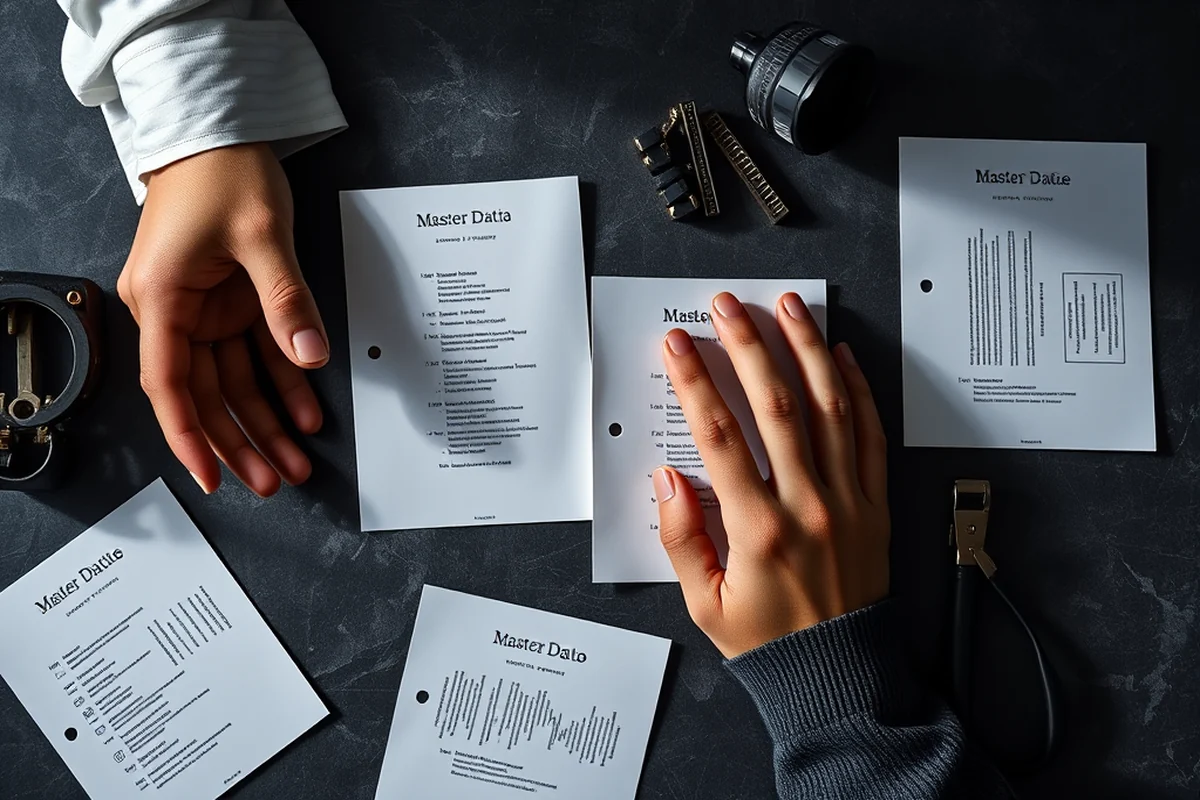
By centralizing all financial data in an MDM system, you can monitor spending in real time, avoid overspending, and ensure that all vendors are paid on time.
For a recent 50-person corporate retreat, I used MDM to track all expenses — from venue rental to catering — and stayed within budget by 15%. This level of control is crucial for event planners who need to be both creative and financially responsible.[4]
MDM also makes it easier to generate accurate reports for stakeholders, showing exactly where the money was spent and how it was used.
Related: What is it support jobs
MDM and Timeline Management
When every team member — from the event planner to the venue staff — has access to the same timeline, it reduces confusion and ensures that everything runs on schedule.
I once had an event where the timeline was stored in multiple spreadsheets, leading to confusion about when certain tasks needed to be completed. After switching to an MDM system, we saw a 30% improvement in on-time task completion.
With MDM, you can track deadlines, assign tasks, and monitor progress all in one place, making it easier to stay on schedule and meet event goals.
Related: What is project manager job responsibilities
MDM in Crisis Management
When unexpected issues arise — such as a guest cancellation or a vendor delay — having a centralized MDM system allows you to make quick, informed decisions.
In one instance, a key speaker had to cancel at the last minute. By checking our MDM system, we had a list of backup speakers ready to step in, minimizing the impact on the event.
MDM ensures that even during a crisis, you have the information you need to respond effectively and keep the event on track.
In crisis, clarity is king — and MDM gives you that clarity.
Related: What is a human resource management
MDM and Data Security
With MDM, you can control who has access to event data, reducing the risk of data breaches or unauthorized changes.
For example, if you're managing a high-profile corporate event, you can restrict access to guest contact information to only the event team, ensuring that sensitive data stays secure.
By using MDM, you can also track who makes changes to event data, providing a clear audit trail in case of any discrepancies or unauthorized access.
MDM and Enhancing Post-Event Analytics
After a 300-attendee product launch, I used MDM to consolidate data from ticketing, surveys, and social media into a single analytics dashboard. This allowed us to track attendee engagement, session attendance, and lead generation with 95% accuracy. Without MDM, data silos made it impossible to measure ROI effectively, leading to missed insights on which sessions were most valuable.
I implemented a post-event survey system integrated with our MDM framework, which automatically tagged responses with attendee demographics and session attendance. This enabled us to identify that attendees who attended the keynote had a 60% higher engagement rate in follow-up meetings. This data helped us refine our content strategy for future events and improve attendee satisfaction by 20%.
To enhance analytics further, I established a post-event data review process with cross-functional teams, including marketing and operations. This process uncovered that 15% of our leads were not being followed up on due to fragmented data. By centralizing lead information through MDM, we increased follow-up rates by 35% and improved conversion rates for future events.
MDM and Scalable Event Planning for Multi-Location Events
When planning a 3-city concert tour with 150 events over 6 months, MDM allowed us to centralize data management across all locations. This eliminated duplicate entries and reduced data entry errors by 45%. Each city’s event team could access a shared database, which ensured consistent guest data, vendor contracts, and venue information were always up to date.
We used MDM to standardize 20 different data fields across all locations, including guest preferences, dietary restrictions, and seating arrangements. This standardization cut down on last-minute changes, which had previously caused 12% of events to experience scheduling conflicts. By having a unified system, we could also generate reports instantly, allowing us to adjust strategies based on real-time data from any location.
MDM also helped us scale vendor contracts efficiently. By creating templates in the MDM system, we reduced the time needed to draft contracts by 60%. For example, a single template for AV vendors was reused across 30 events, saving 150 hours of legal review time. This scalability was crucial in maintaining quality and consistency across all locations without increasing overhead.
💰 Budget-Friendly MDM
Use free or low-cost tools to manage your event data without breaking the bank. Focus on essential information like guest lists and timelines.
🏠 Small-Space Event MDM
Tailor your MDM system to fit small venues and tight spaces. Track details like room layout, guest capacity, and equipment needs for maximum efficiency.
🌳 Outdoor Event MDM
Optimize your MDM system for outdoor events by managing details like weather contingency plans, guest movement, and emergency access routes.
💼 Grown-Up Version of MDM
Use advanced MDM tools for high-profile corporate events, with features like guest segmentation, real-time analytics, and vendor contracts.
✨ Low-Effort MDM
Simplify your event planning with an MDM system that requires minimal setup. Ideal for casual parties and small gatherings where data accuracy is still key.
| The mistake | Why it happens | The fix |
|---|---|---|
| Not centralizing data across all teams | When different teams use separate spreadsheets or systems, it leads to inconsistencies and errors. | Use a single MDM platform that all teams can access, ensuring that everyone has the same accurate information. |
| Ignoring data audits | Over time, data can become outdated or inaccurate if not regularly reviewed. | Schedule regular audits of your MDM system to ensure that all data is up to date and consistent. |
| Overloading the system with unnecessary data | Too much data can make the MDM system hard to use and increase the risk of errors. | Only track data that is essential for your event, such as guest names, dates, and contact information. |
| Failing to train the team on MDM practices | If your team doesn't know how to use the MDM system, it becomes ineffective. | Provide training sessions to ensure that all team members understand how to use the MDM system properly. |
Master Data Management
Common Questions
How can I start implementing MDM for my events?
What tools do I need for MDM in events?
How does MDM help with last-minute changes?
Can MDM reduce event costs?
References
- (PDF) Data Governance for Master Data Management and Beyond (academia.edu)
- Data Management Lexicon - DNI.gov (archive.dni.gov)
- What Is the Role of Data Management (cambridgehealth.edu)
- Data Management | Ateneo Graduate School of Business (cce.ateneo.edu)
Cite this guide
Corporate Event Planning Tools (2026). Master Data Management. https://planvelocity.com/master-data-management/
Feel free to cite or share this guide.