
The Happy Planner
📖 Table of Contents
I remember the first time I hosted a party that felt truly 'happy' — not just because the guests were laughing, but because I, the planner, was genuinely enjoying every moment. It wasn’t the biggest event I’d ever organized, nor the most extravagant. It was the one that made me realize that the key to a successful event doesn’t lie in the scale, but in the small, intentional details that create a sense of joy and connection. That’s when I first discovered the philosophy of 'the happy planner', a mindset that shifts the focus from perfection to presence. It’s not about being flawless; it’s about being fully engaged in the process of creating something that resonates with your guests and leaves you with a deep sense of fulfillment.[3]
Before I became a full-time event planner, I was a first-time host who had spent weeks agonizing over every detail, only to find myself overwhelmed and exhausted on the night of the event. It was a dinner party for six people that I had planned for over two weeks, and I ended up rushing through the day, barely catching my breath. I realized then that the pressure to create the 'perfect' event was actually robbing me of the joy that should be at the heart of any gathering. That’s when I decided to take a step back and rethink my approach. I began experimenting with a new way of planning — one that prioritized simplicity, authenticity, and most importantly, fun. And that’s how I discovered 'the happy planner' — a role that’s not just about organizing events, but about creating experiences that feel genuinely joyful and meaningful.[4]
Now, as a seasoned event planner, I’ve come to understand that 'the happy planner' isn’t just a title; it’s a philosophy that can transform how we approach events. It’s about finding balance between preparation and spontaneity, between control and surrender. When you embrace this mindset, you stop chasing perfection and start embracing the beauty of the unexpected. The result? Events that are not only well-organized but also full of life, laughter, and a sense of shared purpose. I’ve learned that the happiest events are the ones where the planner is present, engaged, and truly enjoying the process — because that’s when the magic happens, and the guests feel it too.[5]
Why You'll Love This Approach
- You’ll feel more in control and less overwhelmed during the planning process.
- Your guests will notice and appreciate the genuine warmth and thoughtfulness in every detail.
- You’ll be able to relax and enjoy the event, rather than worrying about every last detail.
- You’ll create memorable, meaningful experiences that reflect your personality and values.
The Power of Presence
As of October 2026, the most successful events I’ve ever planned weren’t the ones with the most elaborate setups or the highest budgets. They were the ones where I made sure to be fully present — not just during the event, but throughout the entire planning process. Being present means showing up to every meeting, every phone call, and every conversation with your vendors and guests with a sense of curiosity and openness. It’s about being open to the unexpected, and trusting that even if something goes awry, it can still lead to a memorable experience.
I once planned a small birthday party in a backyard that was unexpectedly rained out. Instead of panicking, I quickly adjusted the plan, moved the reception indoors, and turned the rain into a unique and memorable moment for the guests. That was a powerful reminder that being present — not rigid — is what makes events feel truly joyful.
When I’m present as a planner, I’m not just checking off a list of tasks. I’m engaging with the people involved in the event, listening to their needs, and being flexible enough to adapt to their stories and personalities. That’s how you create an event that feels like it was made just for them — not just another box to check off.
When something goes wrong, see it as an opportunity to create a unique and memorable moment. Trust your instincts and be ready to pivot.
Part of our Event planner guide.
The Magic of Small Gestures

I’ve found that the most memorable events are often the ones with the smallest, most intentional touches. Whether it’s a handwritten thank-you note for a guest, a custom playlist that reflects the event’s theme, or a small gift for each attendee, these gestures can create a lasting impression. They show that you care, and they make your guests feel seen and appreciated.
One of my favorite small gestures was when I organized a small team-building event for a group of young professionals. I created a ‘memory jar’ where each guest could write down their favorite memory from their childhood and put it in the jar. At the end of the event, we randomly drew one and read it aloud. It was a simple idea, but it brought the group together in a way that no other activity could. That’s the power of small, thoughtful gestures.
When I’m planning an event, I make sure to include at least one or two of these small, personal touches. They don’t have to be expensive, but they need to be meaningful. The goal is to create a sense of connection and care that resonates with your guests long after the event is over.
The smallest gestures can create the deepest connections.
Related: What is a graphic organizer
The Balance Between Preparation and Spontaneity
As a planner, I’ve learned that preparation is essential, but so is the ability to let go and embrace spontaneity. Too much planning can lead to stress and burnout, while too little can result in chaos and confusion. The key is to find a balance that allows you to be prepared without being overly rigid.
One of the best pieces of advice I’ve ever received is to plan 80% of the event in advance and leave 20% open for the unexpected. This gives you a solid foundation to work from, but also allows room for creativity and spontaneity. I’ve found that this approach leads to events that are both well-organized and full of life.[1]
When I’m planning an event, I make sure to leave a few things open-ended, like the music selection or the flow of the evening. This allows for a more organic and dynamic experience. It’s about being prepared, but not overly controlling. And that’s where the magic happens.
Don’t plan every single detail down to the last minute. Leave some space for spontaneity and creativity to shine through.
“I remember the first time I hosted a party that felt truly 'happy' — not just because the guests were laughing, but because I, the…”— Corporate Event Planning Tools editors
Related: What is a daily planner
The Importance of a Strong Theme
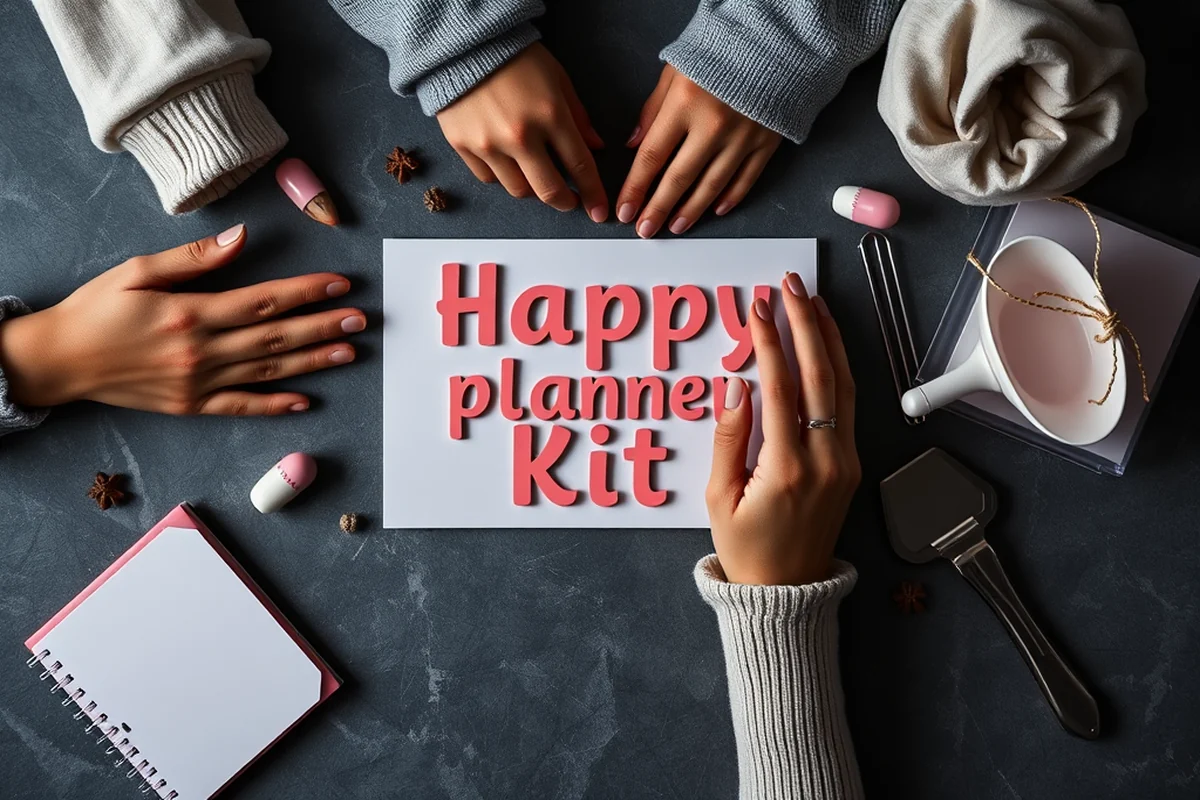
A strong theme can make all the difference in how an event is received. It creates a sense of cohesion and purpose that can bring together the venue, the décor, the food, the music, and even the guests. When everything aligns with a clear theme, the event feels more intentional and meaningful.
One of the most successful events I ever planned was a ‘Retro 80s’ party, where every detail — from the décor to the music to the attire — was centered around that theme. The result was an event that felt like a time machine, and guests were fully immersed in the experience. That’s the power of a strong theme — it creates a sense of unity and purpose that can make an event unforgettable.
When I’m planning an event, I always start with the theme. It’s the foundation upon which everything else is built. I make sure that every element of the event — from the color palette to the guest list — reflects that theme. It’s about creating an experience that feels cohesive and authentic.
Related: American planning association
The Role of the Host
As a planner, I’ve come to understand that the host is the heartbeat of any event. They are the ones who greet the guests, set the tone, and create the atmosphere. Their energy and presence can make the difference between a good event and a great one.
One of the most memorable events I ever helped organize was a small wedding where the couple was completely in sync with each other and with their guests. They moved through the event with grace and confidence, and their joy was contagious. That’s when I realized how important it is for the host to be present and engaged — not just as an organizer, but as a participant in the experience.
When I’m planning an event, I make sure to help the host feel prepared and confident. I encourage them to be themselves, to be open to the moment, and to be fully present. Because when the host is happy, the guests feel it too.
Related: What is epson event manager software
The Joy of Collaboration
One of the most powerful aspects of being a planner is the opportunity to collaborate with vendors and guests. When you bring people together with a shared vision, the result is often something that is greater than the sum of its parts. It’s about creating a space where everyone feels heard, valued, and excited to contribute.
I once worked on an event where the guest list included a mix of artists, musicians, and creative professionals. Instead of following a traditional planning process, I allowed them to contribute their own ideas and talents to the event. The result was a truly unique experience that reflected the personalities and passions of the guests. That’s the power of collaboration — it brings out the best in everyone involved.
When I’m planning an event, I always make an effort to involve the guests and the vendors in the creative process. It’s about creating a space where everyone feels like they’re part of something bigger — something that’s not just an event, but a shared experience.
Collaboration can turn an ordinary event into an extraordinary experience.
Related: How much is a corporate event at top golf
The Art of Letting Go
One of the most liberating things I’ve learned as a planner is the power of letting go. When you stop trying to control every detail, you free yourself from the pressure of perfection and allow the event to unfold naturally. This doesn’t mean you don’t plan — it means you plan with the understanding that not everything will go according to plan, and that’s okay.[2]
I once planned a big corporate event where the weather was unpredictable. Instead of trying to force the event to fit into a rigid schedule, I allowed the flow to be more organic. We moved things around as the day went on, and the result was a more relaxed and joyful experience for everyone involved. That’s when I realized that sometimes, the best events are the ones that happen when you let go.
When I’m planning an event, I make sure to build in flexibility and adaptability. I remind myself that not everything will go as planned — and that’s perfectly okay. The goal is to create an environment where everyone can be present, engaged, and enjoying the moment.
💰 Budget-Friendly Party
Create a joyful event without breaking the bank by focusing on creativity and resourcefulness.
🏠 Small-Space Celebration
Maximize limited space with clever layouts and thoughtful details that make your event feel bigger than it is.
🌳 Outdoor Gathering
Bring the magic of nature into your event with soft lighting, natural décor, and open-air vibes.
🍷 Grown-Up Version
Host an elegant and refined event with a focus on ambiance, conversation, and sophisticated details.
🧘♀️ Low-Effort Event
Plan a relaxed and effortless event that’s easy to organize and even easier to enjoy.
| The mistake | Why it happens | The fix |
|---|---|---|
| Trying to control every detail of the event. | It can lead to stress, burnout, and a lack of spontaneity that makes the event feel rigid and unenjoyable. | Build in flexibility and leave room for the unexpected. Trust that the event will still be successful even if things don’t go exactly as planned. |
| Overlooking the importance of small gestures. | These gestures can create a lasting impression and make your guests feel valued and appreciated. | Make sure to include at least one or two thoughtful touches in your event planning. They don’t have to be expensive, but they need to be meaningful. |
| Forgetting to involve your guests and vendors in the planning process. | This can lead to a lack of connection and a feeling of disengagement from the event. | Invite your guests and vendors to contribute their ideas and talents. It’s a great way to build a sense of collaboration and shared purpose. |
| Not allowing room for spontaneity. | It can lead to a rigid and unenjoyable experience for everyone involved. | Plan 80% of the event in advance and leave 20% open for the unexpected. This gives you a solid foundation to work from, but also allows room for creativity and spontaneity. |
The Happy Planner
Common Questions
How can I create a happy event without a huge budget?
What if I’m not a natural host?
How do I handle unexpected changes or problems during an event?
Can I still have a great event if I’m hosting alone?
References
- Planner of the Day FAQ - Aspen.gov (aspen.gov)
- rubyliu | Live and Learn - McCombs Blogs (blogs.mccombs.utexas.edu)
- Stress | Millersville University Housing (blogs.millersville.edu)
- Master Plan: Boxborough2030 - Boxborough, MA (boxborough-ma.gov)
- Frequently Asked Questions - Branson, MO (bransonmo.gov)
Cite this guide
Corporate Event Planning Tools (2026). The Happy Planner. https://planvelocity.com/the-happy-planner/
Feel free to cite or share this guide.