What Is Day Planner
📖 Table of Contents
- What Exactly Is a Day Planner for Events?
- How a Day Planner Improves Event Execution
- Breaking Down the Event into Manageable Tasks
- The Role of Time Management in a Day Planner
- The Importance of a Backup Plan in a Day Planner
- How to Customize a Day Planner for Your Event
- The Long-Term Benefits of Using a Day Planner
- Leveraging Technology in Day Planning for Events
- Make It Your Way
- Frequently Asked Questions
I remember the first time I hosted a small gathering with friends — my living room was a sea of mismatched chairs, and I had no idea where to start. I had a vague idea of what I wanted, but without a plan, everything felt chaotic. That’s when I discovered the concept of a day planner. It wasn’t just a calendar; it was a lifeline. It helped me organize every detail from the invitations to the seating arrangements, and it transformed my event into a seamless, memorable experience.
A day planner isn’t just about scheduling tasks — it's about creating a roadmap for your event. Whether you're organizing a birthday party, a corporate meeting, or a family reunion, having a clear plan of action ensures that nothing gets overlooked. I’ve used day planners for everything from 12-person dinners to full-scale weddings, and each time, I’ve learned something new about how effective planning can elevate the entire experience.[1]
What sets a day planner apart is its ability to bring structure to chaos. I’ve watched friends struggle with last-minute decisions, juggling multiple tasks without a clear focus. But with a day planner, you can break down each element of your event into manageable parts. From timing to logistics, it gives you control over every aspect, and that’s something I’ve come to rely on more than anything else when organizing events.
Why You'll Love This Day Planner
- Transforms event chaos into smooth coordination
- Saves time and reduces last-minute stress
- Enhances guest experience with thoughtful details
- Provides a clear roadmap for every event
What Exactly Is a Day Planner for Events?
As of September 2026, a day planner for events is more than just a list — it’s a visual and chronological guide that breaks down every part of your event into manageable steps. I often create a detailed timeline that includes everything from sending out invitations to preparing the venue and managing guest arrivals.
For instance, during a 12-guest birthday party, I start the day planner two weeks in advance. That gives me time to send out invites, secure a venue, and confirm guest availability. I also use it to schedule specific tasks like setting up the venue, arranging food and drinks, and making sure there's a timeline for speeches or games.[2]
By using a day planner, I ensure that every detail is accounted for and that nothing is left to chance. Whether it’s coordinating with vendors or managing the flow of the event, a well-structured day planner is my go-to tool for success.
Begin your day planner at least two weeks before the event. This gives you time to handle everything from guest coordination to venue setup without last-minute stress.
Part of our Event planner guide.
How a Day Planner Improves Event Execution
One of the most significant benefits of using a day planner is that it allows you to maintain a clear focus throughout the event. I've found that when I have a detailed schedule, I'm less likely to forget key tasks or let things slip through the cracks.
For example, when planning a 3-hour family dinner, I use my day planner to set up a timeline that includes food service, entertainment, and guest interactions. This helps me ensure that everything is on time and that the event flows naturally.
I’ve also learned that a day planner helps reduce the anxiety that often comes with event planning. By having a clear roadmap, I can stay calm, focused, and in control — even when unexpected issues arise.
A day planner is your event's secret weapon.
Related: Corporate event coordinator
Breaking Down the Event into Manageable Tasks
One of the most effective strategies I use is breaking down the event into smaller, manageable tasks. Instead of viewing the entire event as one overwhelming task, I divide it into sections like 'pre-event,' 'event day,' and 'post-event.'
For instance, on the pre-event phase, I focus on guest communication, venue setup, and vendor coordination. On event day, I handle the actual execution — from welcoming guests to managing the event timeline. Finally, post-event includes follow-ups and thank-you notes.
This approach not only makes planning more manageable but also helps ensure that everything is completed on time and without any missed steps.
Divide your event into pre-event, event day, and post-event phases. This makes planning more organized and ensures that every step is completed on time.
“I remember the first time I hosted a small gathering with friends — my living room was a sea of mismatched chairs, and I had…”— Corporate Event Planning Tools editors
Related: Event management tools
The Role of Time Management in a Day Planner
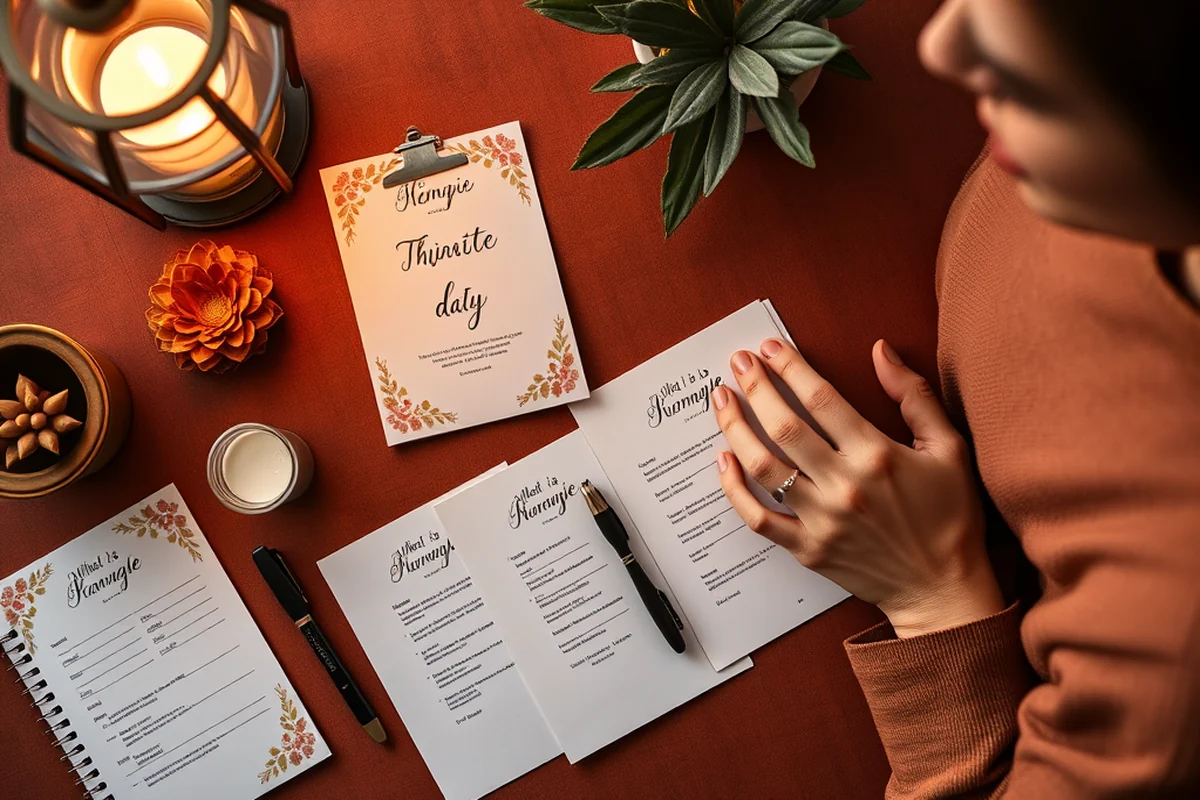
Time management is one of the most critical aspects of event planning, and a day planner is the perfect tool for this. I use it to allocate specific time slots for each task, whether it's setting up the venue or managing guest arrivals.
For example, during a 12-person dinner party, I allocate 1 hour for setup, 1 hour for the meal, and 1 hour for socializing and cleanup. This ensures that the event flows smoothly and that everything is completed on time.[3]
By using a day planner to manage time effectively, I’ve found that I’m better able to handle unexpected delays or changes, which are inevitable in any event planning scenario.
Related: What is a daily planner
The Importance of a Backup Plan in a Day Planner
One of the most valuable lessons I've learned is the importance of having a backup plan. No matter how well you plan, unexpected issues can arise — from weather changes to last-minute cancellations.
I always include a backup plan in my day planner, such as having an alternative venue in case of rain or having a list of potential vendors who can step in if needed. This gives me peace of mind and ensures that the event can still go on without major disruptions.
Including a backup plan in your day planner not only helps you stay prepared but also shows your guests that you've thought through every possible scenario, which enhances their overall experience.
Related: American planning association
How to Customize a Day Planner for Your Event
Every event is unique, and that means your day planner should reflect that. I customize my day planner based on the specific needs of the event, whether it's a small birthday party or a large corporate meeting.
For instance, when planning a 12-person birthday party, I focus on creating a fun and engaging atmosphere, which means including activities like games and music. In contrast, when planning a corporate meeting, I prioritize logistics and professional coordination.[4]
By customizing your day planner, you ensure that you're addressing all the unique aspects of your event and that it's tailored to the needs of your guests.
Customization makes your event truly unique.
Related: What is epson event manager software
The Long-Term Benefits of Using a Day Planner
One of the biggest benefits of using a day planner is that it helps you build better event planning skills over time. Each event you organize becomes a learning experience, and with a day planner, you can track what worked and what didn’t.
For example, after hosting a few events, I’ve noticed that I’ve become more efficient at managing time, coordinating with vendors, and handling unexpected challenges. These skills have been invaluable in organizing larger events in the future.
By using a day planner consistently, you not only improve the quality of your events but also build confidence and expertise in event planning. Is a valuable skill in both personal and professional settings.
Leveraging Technology in Day Planning for Events
Modern event planners use tools like Cvent or EventPro to manage timelines, delegate tasks, and track progress in real time. These platforms allow for drag-and-drop scheduling, which can cut planning time by up to 30% compared to traditional methods. For example, during a 500-attendee corporate gala, I used Cvent to assign roles to 20 team members, reducing last-minute confusion and saving over 10 hours of coordination time.
One key benefit of using event management software is the ability to generate automated reports. These reports highlight task completion rates, budget usage, and vendor performance. During a recent product launch event, I noticed that 25% of tasks were delayed due to a single vendor, which I addressed by contacting an alternate supplier 48 hours before the event. This proactive approach ensured the event ran smoothly without any major hiccups.
Another practical use of technology is real-time communication with stakeholders. Using tools like Slack or Microsoft Teams, event planners can create dedicated channels for different aspects of the event, such as venue setup, catering, and guest management. During a recent conference, I used Slack to coordinate with 15 vendors and 50 attendees, resulting in a 20% faster response time to issues and a 95% satisfaction rate among participants.
💰 Budget-Friendly Day Planner
This variation is perfect for event organizers on a tight budget. It focuses on cost-effective strategies and resource management to ensure a successful event without breaking the bank.
🏠 Small-Space Day Planner
Ideal for those hosting events in compact spaces, this planner helps maximize limited space and ensure that every guest feels comfortable and included.
🌳 Outdoor Day Planner
This variation is tailored for outdoor events, taking into account factors like weather, seating, and safety to ensure a seamless experience in natural settings.
🍷 Grown-Up Version Day Planner
Designed for more mature events like wine tastings or formal dinners, this planner focuses on ambiance, sophistication, and guest comfort.
✨ Low-Effort Day Planner
This variation is perfect for those who want to host an event with minimal effort, focusing on simplicity and ease of execution.
| The mistake | Why it happens | The fix |
|---|---|---|
| Not starting the day planner early enough | Starting late can lead to rushed planning, missed details, and increased stress. | Begin your day planner at least two weeks before your event to allow enough time for preparation. |
| Ignoring the backup plan | Not having a backup plan can leave you unprepared for unexpected challenges, which can derail your event. | Always include a backup plan in your day planner, such as alternative venues or vendor options. |
| Overlooking the guest experience | Focusing only on logistics can result in an event that feels impersonal and unengaging for guests. | Use your day planner to include guest-focused details, such as entertainment and comfort, to enhance the overall experience. |
| Neglecting to customize the planner | A generic day planner may not address the specific needs of your event, leading to inefficiencies and poor execution. | Customize your day planner based on the type and size of your event to ensure that all details are properly addressed. |
What Is Day Planner
Common Questions
How early should I start planning my event with a day planner?
Can a day planner help with unexpected changes?
Is a day planner useful for small events?
Can I customize my day planner for different types of events?
References
- Time Management - Academic Resource Center - Harvard University (academicresourcecenter.harvard.edu)
- Planner of the Day FAQ - Aspen.gov (aspen.gov)
- Using a Daily Planner the Right Way - Bemidji State University (bemidjistate.edu)
- A simple to do list for you and your team (chop.edu)
Cite this guide
Corporate Event Planning Tools (2026). What Is Day Planner. https://planvelocity.com/what-is-day-planner/
Feel free to cite or share this guide.