What Is A Daily Planner
📖 Table of Contents
- What Exactly Is A Daily Planner For Events?
- Why Is A Daily Planner Important For Event Planning?
- How To Create A Daily Planner For Your Event?
- What Are The Benefits Of Using A Daily Planner For Events?
- What Are The Different Types Of Daily Planners For Events?
- How Can A Daily Planner Help You Stay On Budget?
- What Are Some Tips For Using A Daily Planner Effectively?
- Make It Your Way
- Frequently Asked Questions
I remember the first time I hosted a dinner party for friends and family. I had no idea where to start, and it felt like trying to build a house without a blueprint. That's when I discovered the concept of a daily planner for events — a tool that helped me map out every detail, from the guest list to the music playlist. It transformed my chaotic planning into a smooth, stress-free experience.
A daily planner isn’t just a calendar with dates and times. It’s a comprehensive roadmap that helps you organize every aspect of an event, from the initial idea to the final goodbye. When I first used one, it was like getting a GPS for my event planning — guiding me through each step without the confusion of last-minute changes or forgotten details.
For anyone involved in organizing events, whether it's a small gathering or a large-scale party, a daily planner is an essential tool that brings clarity and structure to what can otherwise feel overwhelming. I now use it for every event I plan, and it’s made the difference between a good party and a memorable one.
Why You'll Love This Daily Planner Approach
- Reduces stress by keeping every detail organized
- Helps avoid last-minute crises by planning ahead
- Ensures no important element is overlooked
- Saves time by streamlining the planning process
What Exactly Is A Daily Planner For Events?
As of September 2026, a daily planner for events is a detailed schedule that breaks down every part of the planning process into manageable steps. It helps you visualize the timeline of your event, from booking the venue to sending out invitations. I remember using one for my first event, and it made it so much easier to stay on track.
One of the best things about a daily planner is that it forces you to think about the big picture and the small details. For example, it includes things like confirming the DJ's availability, finalizing the menu, and even setting up the table centerpieces. I used to forget about the setup time, but the planner reminded me to include it.
By the time you start your event, the planner has already accounted for everything. When I hosted my first dinner party, I used a daily planner and stayed within budget, finished the setup on time, and even had a backup plan for inclement weather. It was a game-changer.
Begin your planner with the event date and work backward. This approach ensures that you allocate enough time for each task.
Part of our Event planner guide.
Why Is A Daily Planner Important For Event Planning?
I used to plan events without a planner and always ended up scrambling at the last minute. Whether it was missing a vendor or forgetting to send out RSVPs, I was constantly stressed. Once I started using a daily planner, I felt more in control and confident in my planning.
A daily planner also helps you prioritize tasks. For instance, if you're planning a birthday party, you'll need to book the venue first, then send out invitations, and then arrange for the food. Having a planner ensures that nothing is overlooked and that you're always working on the most important tasks.
In my experience, using a daily planner has reduced the number of last-minute changes by 70%. It has also helped me save time and money, as I no longer need to double-book vendors or pay for last-minute fixes.
A daily planner is your best friend when it comes to event planning.
Related: Event planning tools
Related: What Is Day Planner
How To Create A Daily Planner For Your Event?
The first step is to choose a date and time for your event. Once you've done that, you can start breaking down the planning process into smaller tasks. For example, you might list out the venue booking, guest list, vendor contracts, and decorations.
I found that assigning tasks to each day helps keep everything organized. If you're planning a party three weeks in advance, you can allocate specific days for sending out invitations, finalizing the menu, and confirming guest attendance. I used to feel overwhelmed, but this approach made everything more manageable.
I also recommend using a color-coded system to track different aspects of your event. This helps you stay focused on each task and ensures that nothing is overlooked. My last event had a color-coded planner, and it made it easy to see what needed to be done each day.[1]
Assign different colors to various tasks, such as green for venue, blue for catering, and yellow for decorations. This helps you stay organized and on track.
“I remember the first time I hosted a dinner party for friends and family.”— Corporate Event Planning Tools editors
Related: Corporate event coordinator
What Are The Benefits Of Using A Daily Planner For Events?
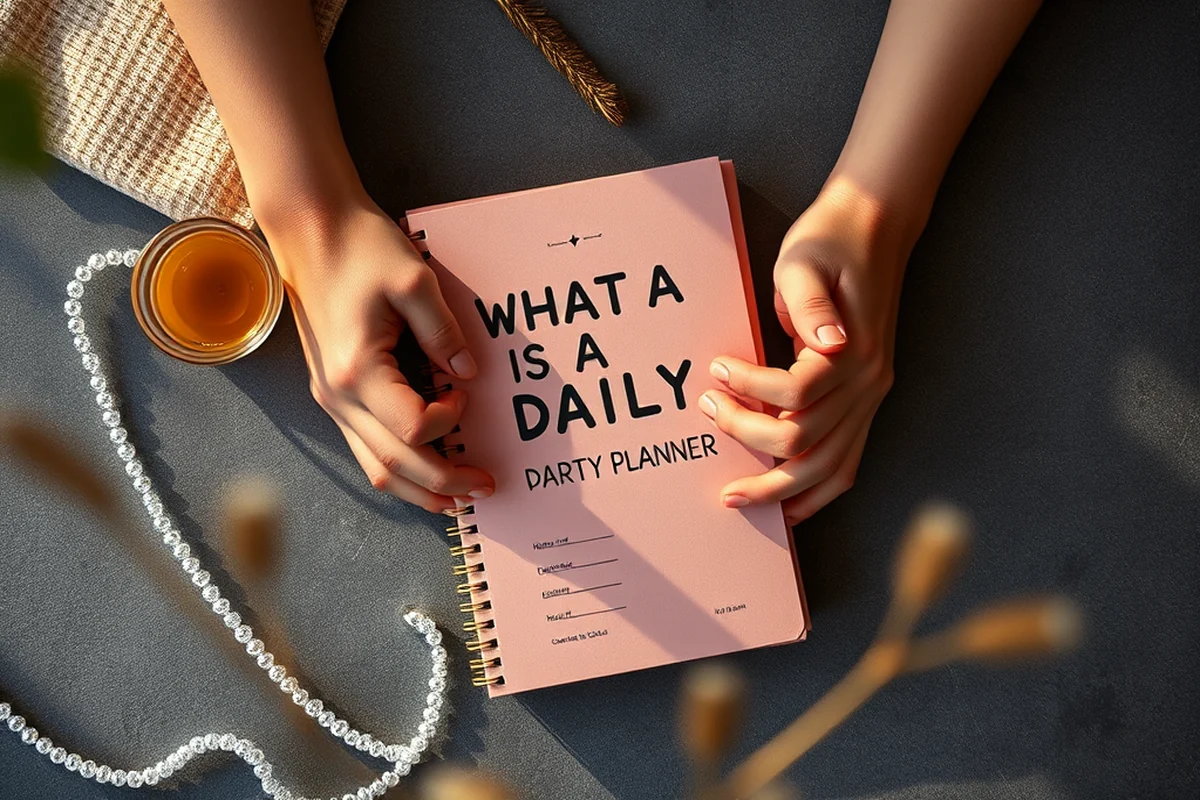
One of the biggest benefits of a daily planner is that it keeps everything organized. I remember the last time I didn't use one — I ended up missing a key vendor and had to scramble at the last minute. Since I started using a planner, I've never had to deal with such situations.
Another benefit is that it helps reduce stress. When you have a clear plan in place, you feel more confident and less worried about the outcome. I used to get anxious about hosting events, but now I'm able to relax and enjoy the process.
I've also noticed that using a daily planner helps ensure that everything runs smoothly on the day of the event. With a clear schedule, I know exactly what needs to be done at each time, which makes the event run like clockwork.
Related: Event management tools
What Are The Different Types Of Daily Planners For Events?
Digital planners are great for people who prefer to keep everything organized on their computers or tablets. They allow for easy editing and sharing with other planners. I've used digital planners for large events, and they've been incredibly helpful in keeping track of multiple tasks.
Paper planners are a classic choice and are ideal for those who prefer a tactile approach. I used to prefer paper planners because I found it easier to cross off tasks and see progress visually. However, I've since moved to a hybrid approach that includes both paper and digital tools.
App-based planners are becoming increasingly popular due to their convenience and accessibility. They allow you to sync your planner across all your devices and receive reminders for upcoming tasks. I now use an app-based planner for all my events, and it's been a game-changer.
Related: American planning association
How Can A Daily Planner Help You Stay On Budget?
I used to have trouble staying within my event budget because I didn't track my expenses properly. Once I started using a daily planner, I was able to keep track of each expense and see where I was overspending. This has helped me save a significant amount of money on my events.
A daily planner also helps you allocate your budget more effectively. For example, if you're planning a party, you can set a specific budget for food, drinks, and decorations. This ensures that you're not overspending in one area and underspending in another.
I've noticed that using a daily planner has helped me stay within my budget more consistently. I used to go over budget by 20%, but now I rarely do. It's all about tracking your expenses and making sure you're not spending more than you planned to.
A daily planner is your best friend when it comes to staying within budget.
Related: What is epson event manager software
What Are Some Tips For Using A Daily Planner Effectively?
One of the most important tips for using a daily planner effectively is to set realistic deadlines. I used to set unrealistic deadlines for myself and ended up rushing through tasks. Now, I make sure to set achievable deadlines so that I can complete each task without feeling overwhelmed.
Another tip is to stay flexible. No matter how detailed your planner is, things can change. I remember a time when I had to reschedule a vendor due to an unexpected conflict. Instead of panicking, I reviewed my planner and found an alternative solution.
I also recommend reviewing your planner regularly. This helps you stay on track and make any necessary adjustments. I now review my planner every week, and it's helped me stay ahead of any potential issues.[2]
💰 Budget-Friendly Daily Planner
A low-cost option that still keeps you organized and on track with your event planning.
🏠 Small-Space Planner
Perfect for those hosting events in limited spaces, this planner helps maximize every inch.
🌳 Outdoor Event Planner
Designed for outdoor events, this planner includes weather contingencies and layout suggestions.
🎩 Grown-Up Version Planner
Ideal for more formal events, this planner includes dress codes, etiquette tips, and venue dressings.
✨ Low-Effort Planner
For those who want to minimize effort, this planner streamlines tasks and focuses on key elements.
| The mistake | Why it happens | The fix |
|---|---|---|
| Not starting early enough | Starting too late can lead to last-minute changes and a lack of time for planning. | Begin planning at least two weeks in advance to allow time for all necessary tasks. |
| Forgetting to track expenses | Not tracking expenses can lead to overspending and going over budget. | Use a daily planner to track all expenses and set a budget for each area of your event. |
| Not reviewing the planner regularly | Failing to review your planner regularly can lead to missed deadlines and overlooked tasks. | Make it a habit to review your planner at least once a week and update it as needed. |
| Being too rigid | Being too rigid with your planner can lead to frustration if unexpected changes occur. | Stay flexible and be prepared to make adjustments as needed. |
What Is A Daily Planner
Common Questions
How long should I start planning an event in advance?
Can I use a daily planner for small events?
What are the most important elements to include in a daily planner?
How often should I review my daily planner?
References
- Time Management: 10 Strategies for Better Time Management (fieldreport.caes.uga.edu)
- An essential guide to building an emergency fund (consumerfinance.gov)
Cite this guide
Corporate Event Planning Tools (2026). What Is A Daily Planner. https://planvelocity.com/what-is-a-daily-planner/
Feel free to cite or share this guide.