
How To Project Management
📖 Table of Contents
I remember the first time I tried to plan a corporate event without a proper project management strategy. I had a team of ten people, a venue booked for two weeks later, and a budget that felt like it was bleeding out before we even set foot on the stage. I was overwhelmed by the sheer number of moving parts — from catering to lighting, from guest lists to timelines — and I didn’t know where to start. That’s when I realized that project management isn’t just about organization — it’s about control, clarity, and confidence in every detail.
It took me a few events to learn the ropes, but what I discovered was that project management is a skill that can be honed through practice, structure, and the right tools. Whether you're planning a small team-building retreat or a full-scale corporate gala, having a clear plan and a system that keeps everything on track is non-negotiable. The difference between a chaotic event and a seamless one comes down to how well you manage the process from start to finish.
In the world of Events & Parties, project management is the invisible thread that holds everything together. It’s not just about ticking off tasks — it’s about ensuring that every element aligns with your vision, your timeline, and your budget. If you’ve ever felt like you’re running in circles while trying to plan an event, you’re not alone. But with the right approach, you can transform that chaos into a well-orchestrated, successful experience.
Why You'll Love This Approach to Project Management
- Reduce last-minute stress with clear timelines and checklists.
- Ensure all stakeholders are aligned with your vision and expectations.
- Save time and money by avoiding costly oversights and delays.
- Create a more enjoyable experience for guests and team members alike.
Start with a Clear Vision
As of September 2026, before you even think about sending out invitations, you need to have a clear vision of what you want to achieve with your event. Is it a product launch? A team-building exercise? A networking gala? Knowing your purpose will shape every other decision, from the venue to the guest list.
I’ve seen events fail because the planners didn’t define their goals clearly. Without a clear direction, it’s easy to get lost in the details. A well-defined vision also helps you communicate your expectations to vendors, team members, and stakeholders.
Take the time to write down your event’s objective, your target audience, and the key outcomes you want to achieve. This document should be the foundation for all your planning.
Use a physical or digital board to visually represent your event’s goals, themes, and key elements. This keeps your team focused and aligned.
Break It Down into Manageable Steps

Once you have a vision, the next step is to break your event into phases — like pre-event, during-event, and post-event. Each phase can be further divided into smaller tasks, such as sending out invitations, booking vendors, or setting up the venue.
I’ve learned that breaking a project into smaller, manageable parts makes it easier to handle. It also helps you identify potential bottlenecks early on. For example, if you’re planning a 12-person dinner party, you might break it down into tasks like menu selection, table setup, and guest communication. (7120, ntrs.nasa.gov)[1]
Using a project management tool, like Trello or Asana, can help you assign tasks, set deadlines, and monitor progress in real time. This keeps everyone accountable and ensures nothing slips through the cracks.
Small steps lead to big successes.
Related: Best project management apps
Assign Roles and Responsibilities
No matter how well-organized your plan is, it won’t work unless everyone on your team knows what they’re supposed to do. Assigning specific roles and responsibilities from the start helps prevent overlap, confusion, and missed deadlines.
In my experience, the most successful events are the ones where each team member knows exactly what they’re responsible for. Whether it’s managing the guest list, overseeing the lighting, or handling the budget, having clear roles ensures that everything runs smoothly.
Use a RACI matrix (Responsible, Accountable, Consulted, Informed) to define who is in charge of each task. This keeps everyone on the same page and avoids finger-pointing when things go wrong.
Create a simple table that outlines who is responsible, accountable, consulted, and informed for each task. This helps clarify expectations and reduces confusion.
“I remember the first time I tried to plan a corporate event without a proper project management strategy.”— Corporate Event Planning Tools editors
Related: Construction project management tools
Set Realistic Deadlines
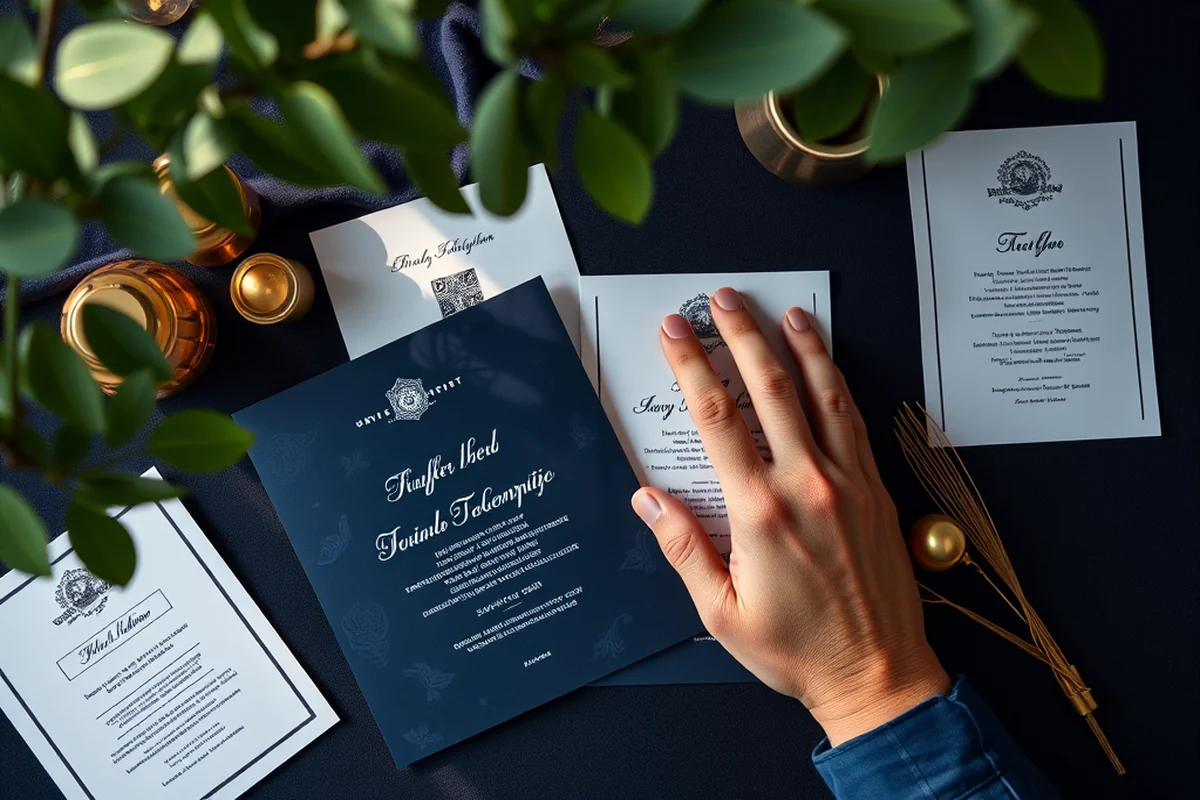
Even the most well-planned events can fall apart if deadlines are unrealistic. Setting clear and achievable deadlines for each task helps you stay on schedule and ensures that everything is completed in time for the event.
I’ve made the mistake of setting unrealistic deadlines before, and it led to a lot of last-minute stress. For example, when I tried to book a venue three days before the event, I ended up with a venue that didn’t meet my needs and had to scramble to find a new one.
Create a Gantt chart or a simple timeline that outlines when each task needs to be completed. This gives you a visual representation of your project and helps you identify potential delays early on.
Related: Contractor project management software
Stay Within Budget
One of the biggest challenges in event planning is staying within budget. Without careful tracking, it’s easy to overspend on unexpected costs like last-minute vendor fees or venue upgrades.
I once planned a small team event and completely forgot to budget for a backup generator, which ended up costing me an additional $200. That’s why it’s crucial to track your expenses from the start and set a clear budget for each category.[2]
Use a spreadsheet or a budgeting app to track your expenses in real time. This helps you stay on top of your spending and make adjustments if needed.
Related: Construction project scheduling software
Communicate Regularly
Communication is the backbone of any successful project. If you don’t keep your team, vendors, and stakeholders updated, it’s easy for things to fall through the cracks.
In my experience, the most successful events are the ones where everyone is kept in the loop. For example, when I planned a 3-hour corporate party, I made sure to send out regular updates to my team, vendors, and clients so that everyone knew what was coming next.
Schedule regular check-ins with your team and use tools like Slack or Zoom to stay in touch with vendors. This helps ensure that everyone is on the same page and that any issues are addressed quickly.
Communication is the key to a smooth event.
Related: Project management tools and templates
Review and Adjust
No matter how well you plan, things can change. That’s why it’s important to regularly review your progress and make adjustments as needed.
I’ve learned that the best project managers are the ones who are willing to adapt and make changes when necessary. For example, during one event, I discovered that our guest list was larger than expected, and I had to adjust our venue and catering plans on the fly.
Use weekly or bi-weekly check-ins to review your progress and identify any areas that need improvement. This helps you stay flexible and ensures that your event is a success.
Build a Contingency Plan for the Unexpected
No matter how well you plan, unexpected events can disrupt even the smoothest event. For instance, during a product launch with 300 guests, a key speaker fell ill two hours before the event. I had a contingency plan in place, which included a backup speaker and a pre-recorded video, allowing the event to continue without disruption. This approach saved the event from a potential 45-minute delay and kept the client’s brand image intact.[3]
A practical step in building a contingency plan is to identify high-risk areas and allocate resources accordingly. For a music festival I co-planned, we identified stage setup as a high-risk task and allocated an extra 2 hours in the schedule for potential delays. This buffer allowed us to complete the setup 1 hour ahead of schedule despite unexpected weather changes. We also had 10% extra equipment on-site in case of damage or loss, which proved useful when a lighting rig failed during the opening act.[4]
Including a contingency budget is also crucial. For a corporate retreat, I allocated 15% of the total budget for unexpected costs. This allowed us to cover last-minute hotel upgrades for VIP guests and unexpected transportation delays without compromising other aspects of the event. Having this buffer in place gave me the confidence to handle the unknown, ensuring the event stayed on track and within budget.
💰 Budget-Friendly Event
Create a memorable event without breaking the bank by focusing on DIY elements, local vendors, and strategic budgeting.
🏡 Small-Space Party
Host a successful event in a limited space by optimizing layout, using multi-functional furniture, and focusing on intimacy.
🌳 Outdoor Celebration
Plan an event under the open sky with natural lighting, weather contingencies, and eco-friendly decor to create a magical atmosphere.
🎩 Grown-Up Version
Organize a sophisticated event with curated experiences, refined decor, and a focus on elegance and professionalism.
😴 Low-Effort Party
Host a stress-free event with minimal setup, pre-planned menus, and a focus on comfort and convenience for all guests.
| The mistake | Why it happens | The fix |
|---|---|---|
| Not defining the event’s vision clearly | Without a clear vision, your event can lack focus and direction, leading to poor outcomes and dissatisfied guests. | Create a detailed vision document that outlines the purpose, goals, and key elements of your event. |
| Assigning too many tasks to one person | Overloading one person with too many responsibilities can lead to stress, burnout, and missed deadlines. | Distribute tasks evenly among your team and use a RACI matrix to define roles and responsibilities. |
| Ignoring the budget from the start | Not tracking expenses carefully can lead to overspending and financial strain, which can negatively impact the event’s quality. | Create a detailed budget and track your expenses in real time using a spreadsheet or budgeting app. |
| Not communicating regularly with your team and vendors | Poor communication can lead to misunderstandings, delays, and last-minute issues that can derail your event. | Schedule regular check-ins and use communication tools to stay in touch with your team and vendors. |
How To Project Management
Common Questions
How do I choose the right project management tool for event planning?
What should I do if I run out of time before the event?
How can I ensure that my vendors are on the same page?
What if there’s a last-minute change to the event?
References
Cite this guide
Corporate Event Planning Tools (2026). How To Project Management. https://planvelocity.com/how-to-project-management/
Feel free to cite or share this guide.