
Corporate Event Adalah
📖 Table of Contents
I remember the first time I organized a corporate event — it was for a startup that had just secured its first major client. The stakes were high, the expectations even higher, and I was juggling a dozen tasks at once. Corporate event adalah, in this context, wasn’t just a term to me; it was a full-time job, a tightrope walk between creativity and logistics. I learned that the difference between a successful event and a chaotic one often rests on the smallest details — from the timing of the welcome drinks to the spacing between chairs.[5]
Corporate event adalah is a phrase that, in Indonesia, often brings to mind polished boardrooms, elegant dinners, and high-stakes meetings. But it's more than that. It's a carefully orchestrated experience, designed to convey a message, celebrate a milestone, or build a connection. I’ve seen it done right and wrong, and the lessons from those experiences are invaluable. A good corporate event isn’t just about the venue or the food — it’s about the moments that happen between the formalities, the ones that make people feel seen and heard.
I've hosted everything from product launches to team-building retreats, and I can tell you from experience that corporate event adalah is not a one-size-fits-all endeavor. It requires a blend of strategic thinking, creative flair, and meticulous planning. When done right, it can transform a simple gathering into a memorable occasion that leaves a lasting impression. When done wrong, it can feel impersonal, rushed, and forgettable. The key is to understand the audience, the goals, and the message — and then bring them to life in a way that resonates.
Why You'll Love This Guide
- Learn how to plan a corporate event that aligns with your brand's message and values.
- Discover practical tips to avoid common pitfalls and ensure a seamless experience.
- Get actionable advice on budgeting, timing, and guest management.
- Understand the importance of personalization and how it can elevate your event.
What is a Corporate Event, Really?
As of August 2026, at its core, a corporate event is more than a party or a meeting — it's a strategic tool. I’ve organized events for companies ranging from tech startups to multinational corporations, and each time, the goal was clear: to communicate a message, celebrate an achievement, or build relationships. Whether it was a product launch, a team-building retreat, or a networking dinner, the event's success depended on its alignment with the company's brand and objectives.[1]
The term 'corporate event adalah' is often used in Indonesia to describe these types of gatherings. But what makes it effective is the seamless integration of purpose and execution. I once organized a product launch for a fintech company. The event wasn't just about showcasing the product — it was about creating an experience that demonstrated the company's commitment to innovation and customer service.
One of the most important lessons I’ve learned is that the success of a corporate event doesn’t lie solely in the venue or the food — it lies in the details. The way the event flows, the way guests are greeted, and the way the brand’s message is communicated all play a role in the overall experience.
Before planning anything, define the purpose of your event. Is it to celebrate an achievement, build a relationship, or promote a product? This will guide all your decisions.
The Importance of Budgeting

Budgeting is one of the most crucial steps in planning a corporate event. I’ve seen so many events fail simply because the budget was mismanaged. A typical corporate event budget can range from $500 to $5,000, depending on the scale and complexity of the event. I once organized a networking event with a budget of $1,200, and by prioritizing expenses, I was able to create a memorable experience without overspending.[2]
One of the most effective ways to manage a budget is to allocate funds based on priorities. For instance, if the event is focused on networking, you might prioritize the venue and catering, while if it's a team-building retreat, you might focus on activities and accommodations. I've found that using a spreadsheet to track expenses in real-time is one of the best ways to stay on track.
Another tip I often recommend is to negotiate with vendors. Many event suppliers are willing to offer discounts if you’re flexible with dates or if you book in advance. This can save you a significant amount, especially if you’re planning a larger event.[3]
Budget like your event is a business — it's the foundation of everything else.
Related: Cheap corporate event
Related: Corporate event hall
Related: Corporate event interactive
Related: Top Corporate Event Planning Companies
Related: Corporate Event Balloons
Choosing the Right Venue
Choosing the right venue is one of the most important decisions in planning a corporate event. I once organized an event in a rooftop space with panoramic views, and the atmosphere immediately elevated the experience. The venue should not only fit your budget but also reflect your brand's identity. For a high-end corporate event, a luxurious hotel or a private villa might be ideal, while a more casual event could be held in a co-working space or a modern event hall.
I've found that visiting the venue in person is always a good idea. It allows you to get a better sense of the layout, lighting, and ambiance. I once planned an event in a space that looked great in photos but had poor acoustics, which made it difficult for the speakers to be heard. That was a learning moment — always test the space before finalizing the booking.
Another factor to consider is accessibility. Ensuring that the venue is easy to reach and has adequate parking or transportation options can make a big difference in the guest experience. I've had events where guests arrived late because the venue was hard to find, which created a ripple effect on the entire schedule.
Always visit the venue before making a final decision. It will give you a better sense of the space and help you avoid potential issues.
“I remember the first time I organized a corporate event — it was for a startup that had just secured its first major client.”— Corporate Event Planning Tools editors
The Role of Technology in Corporate Events
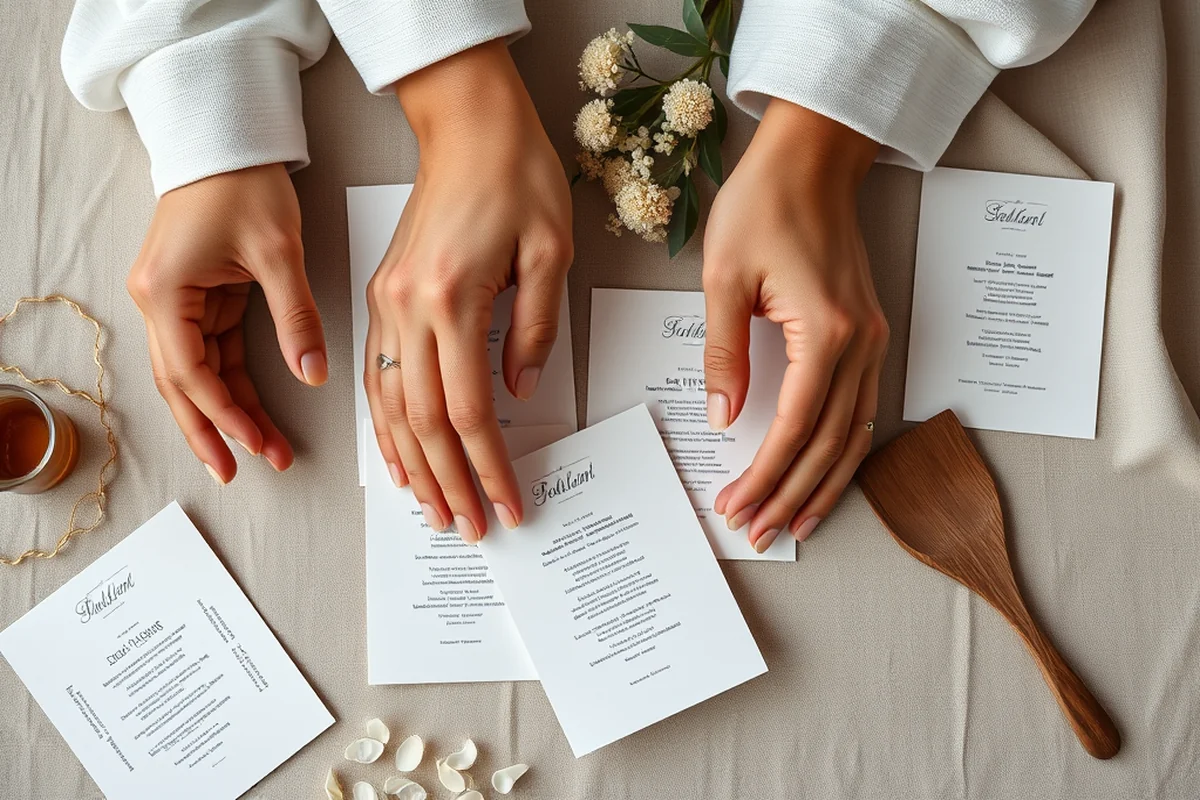
Technology plays a crucial role in corporate events. From registration platforms to event apps, technology can help manage logistics, improve guest engagement, and even track the success of the event. I’ve used event apps to send personalized agendas to attendees, provide real-time updates, and even offer interactive voting features for live Q&A sessions.
One of the most useful tools I’ve found is a virtual event platform. For companies that can’t bring everyone together in person, a virtual event can be a great alternative. I once organized a virtual product launch, and it reached more people than a physical event ever could. The ability to record the event and share it later was also a huge plus.
Another area where technology has made a big difference is in networking. Some event apps allow guests to connect with each other in advance, schedule meetings, and even share contact information. This has been especially useful in large networking events where it's hard to meet everyone in person.
Creating a Memorable Guest Experience
Creating a memorable guest experience is the key to making your corporate event a success. I’ve attended events where the guest experience was seamless — from the moment you arrived, everything was perfectly timed and organized. I’ve also been to events where the guest experience was chaotic, with long lines, disorganized seating, and no clear direction on what was happening next.
One of the best ways to enhance the guest experience is to provide clear communication. I've found that sending out a detailed agenda before the event can help guests know what to expect and make the most of their time. I once organized an event where the agenda was provided in advance, and I saw how much it helped guests handle the event more easily.
Another important aspect is personalization. Tailoring the experience to the guests’ interests and needs can make a big difference. I’ve seen events where the host took the time to greet each guest by name and even mentioned their company — it made a huge impact on their overall experience.
The Impact of Timing on Event Success
Timing is one of the most important factors in planning a corporate event. I’ve seen events where the timing was perfect — everything flowed seamlessly, with guests arriving on time and activities starting and ending exactly as planned. But I've also seen events where the timing was off — things were delayed, guests were left waiting, and the entire flow of the event was disrupted.
One of the best ways to ensure good timing is to create a detailed schedule and stick to it. I've found that using a timeline with specific time slots for each activity helps keep everything on track. I once planned an event with a tight schedule, and by following it closely, I was able to ensure that everything ran smoothly.
Another tip is to allow for buffer time between activities. I’ve found that having a few extra minutes between events can help prevent delays from one activity affecting the next. This is especially important in events with tight schedules, where any unexpected delay can throw the entire plan off track.
Time is your greatest asset — respect it, and it will respect you back.
Measuring the Success of Your Event
Measuring the success of your event is crucial to understanding its impact and identifying areas for improvement. I've used a variety of tools to track the success of events — from simple surveys to more advanced analytics platforms. I once organized a networking event and sent out a post-event survey to attendees, which helped me understand what worked and what didn’t.[4]
One of the most effective ways to measure success is to set clear goals before the event. Whether it's increasing brand awareness, generating new leads, or boosting employee engagement, having clear objectives makes it easier to track the event's impact. I've found that tracking metrics like attendance, guest satisfaction, and follow-up actions can provide valuable insights.
Another important aspect is the feedback you receive from attendees. I've found that listening to what they have to say can help you refine your approach for future events. I once received feedback that the event was too long, and I adjusted the timing for the next one accordingly, which led to a more positive experience for the guests.
💰 Budget-Friendly Corporate Event
A low-cost event that still delivers a professional and engaging experience through smart planning and resourcefulness.
🏠 Small-Space Corporate Event
A compact event designed for intimate gatherings, where the focus is on personal connections and meaningful interactions.
🌳 Outdoor Corporate Event
A corporate event held in an outdoor setting, offering a unique and refreshing atmosphere that can boost energy and engagement.
🎩 Grown-Up Corporate Event
An event tailored for a mature and sophisticated audience, with a focus on elegance, exclusivity, and refined experiences.
🧘 Low-Effort Corporate Event
A streamlined event that minimizes planning and effort, making it ideal for those with limited time or resources.
| The mistake | Why it happens | The fix |
|---|---|---|
| Not having a clear event objective | Without a clear objective, the event can feel unstructured and unfocused, leading to a poor guest experience. | Define your event’s goal before planning anything, and ensure that every decision aligns with that goal. |
| Ignoring the guest experience | A poor guest experience can damage your brand and leave attendees with a negative impression. | Prioritize guest comfort and engagement by focusing on details like seating, food, and personalization. |
| Overlooking the importance of timing | Poor timing can lead to delays, confusion, and a disjointed event flow. | Create a detailed schedule and allow for buffer time between activities to keep everything on track. |
| Underestimating the need for a backup plan | Unforeseen issues like technical problems or weather disruptions can derail an event if you're not prepared. | Have a backup plan for everything — from the venue to the technology — to ensure a smooth event. |
Corporate Event Adalah
Common Questions
What is the minimum number of guests for a corporate event?
How far in advance should I start planning a corporate event?
What are the most common mistakes made when planning a corporate event?
How can I make my corporate event more engaging?
Cite this guide
Corporate Event Planning Tools (2026). Corporate Event Adalah. https://planvelocity.com/corporate-event-adalah/
Feel free to cite or share this guide.
References
- Public Relations Strategy in Improving Cinema Company ... (journal.lspr.edu)
- Corporate Communication Research Papers - Academia.edu (academia.edu)
- Actuaries : Occupational Outlook Handbook (bls.gov)
- Tawon Liar mengandung bahan obat tersembunyi - FDA (fda.gov)
- Executive Education - INSEAD (insead.edu)