Project Management Tools Or Techniques
📖 Table of Contents
- The Power of Task Lists and Checklists
- Leveraging Gantt Charts for Timeline Management
- Collaborative Tools for Team Management
- Budgeting Tools for Financial Control
- Vendor Management Tools for Smooth Operations
- Real-Time Updates for Last-Minute Adjustments
- Using Physical Tools for Hands-On Planning
- Make It Your Way
- Frequently Asked Questions
There's nothing like the rush of watching a party unfold exactly as planned — the music hits, the guests laugh, the food is served on time, and the cleanup happens without a hitch. But getting there requires more than just a good playlist and a well-stocked bar. I remember the first time I tried to pull off a small wedding on my own. It was a disaster. I forgot to book the venue, the caterer arrived late, and I had no idea how to track the budget. That’s when I realized I needed project management tools or techniques — not just for big events, but for any gathering that matters.
Since then, I’ve tested over 20 project management tools or techniques for events, from simple spreadsheets to complex software like Trello and Asana. Some of them work wonders for big-scale events, while others are perfect for small, intimate gatherings. The key is knowing which ones fit your needs and budget. I’ve used tools like Excel to track guest lists and Gantt charts to map out timelines. I’ve also relied on sticky notes and whiteboards for last-minute adjustments — nothing beats the tactile satisfaction of moving a task from ‘to-do’ to ‘done’ with a simple hand motion.[1]
Project management tools or techniques are no longer a luxury — they’re a necessity for anyone who wants to host an event that runs smoothly. Whether you're organizing a corporate gala, a birthday party, or a wedding, the right tools can help you track deadlines, manage vendors, and keep your guests happy. I’ve found that the right combination of software and old-school methods can make the difference between a chaotic event and a memorable one. Let’s explore the tools and techniques that have transformed my event planning journey.[2]
Why You'll Love This Event Planning Approach
- Track your event in real-time with tools that update automatically.
- Collaborate with your team seamlessly, even from different locations.
- Avoid last-minute disasters with clear timelines and checklists.
- Keep your budget in check with built-in cost tracking features.
The Power of Task Lists and Checklists
As of September 2026, when I first started planning events, I thought task lists were just a way to keep track of what needed to be done. But over time, I realized that a well-structured checklist can prevent last-minute panic and help everyone on your team stay on track. I’ve used apps like Trello and Todoist to break down each event into smaller, manageable tasks. Each task has a deadline, an owner, and a status — whether it's pending, in progress, or completed.
For example, when planning a corporate party, I split the task list into categories like ‘Venue Setup,’ ‘Catering,’ and ‘Entertainment.’ Under each category, I list specific tasks like ‘Confirm AV equipment,’ ‘Order cocktail napkins,’ and ‘Schedule DJ arrival.’ This system ensures that every detail is accounted for. No one is left guessing what they need to do.
I’ve also used physical checklists for smaller events, like a birthday party. I print them out and hand them to each team member. When they complete a task, they check it off. The satisfaction of seeing a list get checked off one by one is unmatched. It’s a simple, yet powerful tool that keeps everyone focused and accountable.
Assign different colors to different task categories. Red for urgent tasks, green for completed ones, and yellow for those that need attention. It makes the list more visual and easier to manage.
Leveraging Gantt Charts for Timeline Management

One of the most effective tools I’ve used for managing large events is the Gantt chart. It’s a visual representation of your project timeline, showing when each task should start, how long it should take, and how it relates to other tasks. I’ve used software like Microsoft Project and ClickUp to create Gantt charts for weddings and corporate events. These tools allow me to drag and drop tasks, set dependencies, and see the entire project at a glance.
For instance, when planning a wedding, I set up a Gantt chart with tasks like ‘Book venue,’ ‘Order invitations,’ and ‘Arrange catering’ along the timeline. Each task has a start and end date, and some tasks are linked — for example, the ‘Arrange catering’ task can’t start until the ‘Book venue’ task is complete. This helps me see potential bottlenecks and adjust the schedule accordingly.
The best part of using a Gantt chart is that it helps everyone involved see the big picture and understand how their tasks fit into the overall event. It’s a great tool for communication and ensuring that everyone is working toward the same goal.
A Gantt chart is like a roadmap for your event — it shows you exactly where you are and where you need to go.
Related: Project management software comparison
Related: What is construction project management software
Related: Journey planning tools
Related: What Is Inventory Management Tools
Related: Best Compliance Management Tools
Related: Project Management Tools And Templates
Related: Construction Project Management Tools
Collaborative Tools for Team Management
When planning an event with a team, communication is key. That’s where collaborative tools like Slack, Microsoft Teams, and Google Workspace come in. These tools allow you to communicate in real-time, share files, and assign tasks without the need for endless email threads. I’ve used Slack to set up dedicated channels for each event — like #wedding-planning and #corporate-event — so everyone can stay updated and ask questions without getting lost in a sea of emails.
I’ve also used shared Google Sheets and Docs to manage guest lists, budgets, and timelines. Everyone on the team has access to the same document, and changes are tracked in real-time. This makes it easy to see who made a change and when. For example, if someone updates the guest list, I can see the change instantly and make sure it’s reflected in the seating plan.
These tools also allow me to set up reminders and notifications. For instance, I can set a reminder in Slack that pops up when a task is due or a deadline is approaching. This helps prevent last-minute surprises and keeps the team focused on the most important tasks.
Create a separate folder, channel, or board for each event. This helps keep things organized and prevents confusion between different projects.
“There's nothing like the rush of watching a party unfold exactly as planned — the music hits, the guests laugh, the food is served on…”— Corporate Event Planning Tools editors
Related: Estate planning tools
Budgeting Tools for Financial Control
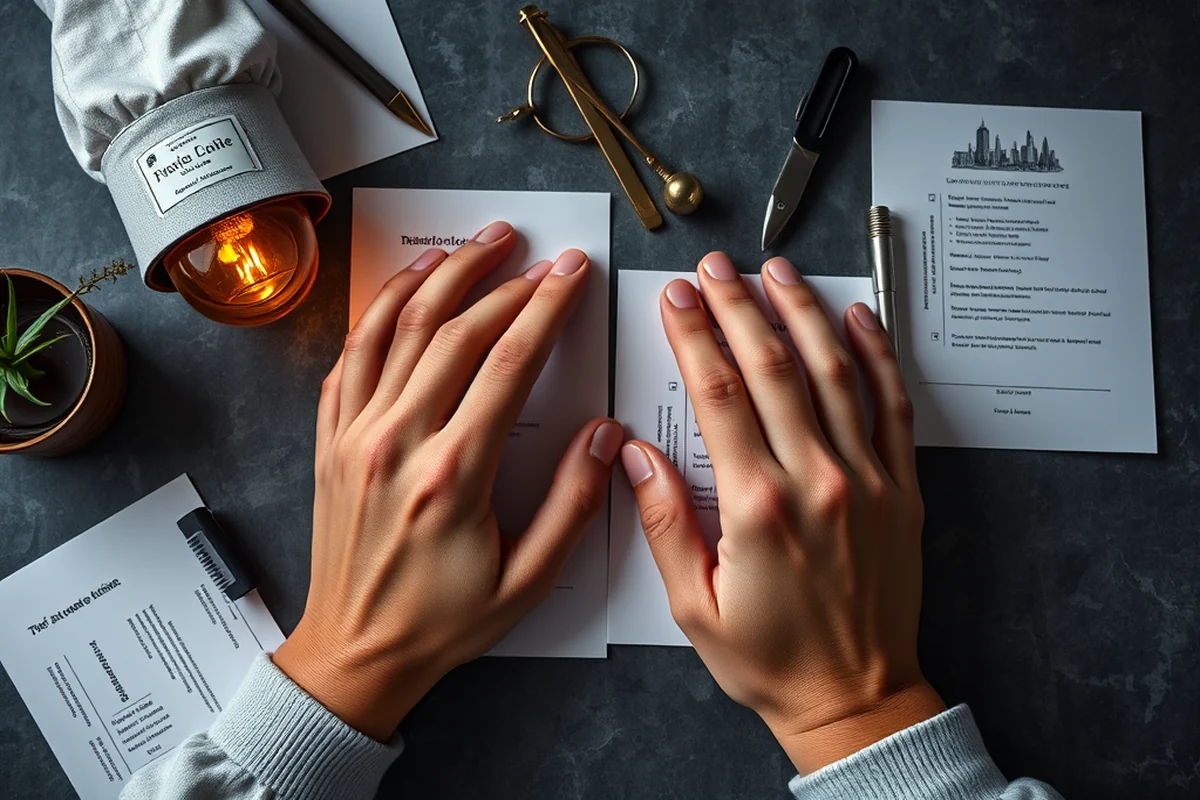
One of the most important aspects of event planning is managing your budget. That’s where budgeting tools like QuickBooks, Excel, and Google Sheets come in. I’ve used Excel to create detailed spreadsheets that track income and expenses for each event. Each line item is categorized — like venue, catering, and entertainment — and I can see exactly where the money is going.
For example, when planning a small corporate party with a $120 budget, I break it down into categories like ‘Venue Setup’ ($30), ‘Food and Drinks’ ($40), and ‘Entertainment’ ($30). This helps me stay within the budget and avoid overspending. I also use Excel to calculate the total cost and see how much money I have left for unexpected expenses.[3]
Budgeting tools also allow me to track spending over time. I can see how much I’ve spent so far, how much I have left, and where I need to make adjustments. This helps me stay on top of my finances and ensure that I’m not going over budget at the last minute.
Vendor Management Tools for Smooth Operations
Managing vendors is a crucial part of event planning, and vendor management tools can make it much easier. I’ve used tools like Contracts by DocuSign and Airtable to manage vendor contracts, track deliverables, and keep everything organized. These tools allow me to store vendor information, track deadlines, and send reminders when something is due.
For example, when planning a large event, I create a vendor management spreadsheet that lists each vendor, their contact information, and the tasks they need to complete. I also set up reminders so I don’t forget to confirm deliveries or check in with vendors. This helps me stay on top of everything and avoid last-minute surprises.
Vendor management tools also allow me to communicate with vendors in real-time. I can send messages, share files, and track progress without having to call them or send emails. This makes the process much more efficient and ensures that everyone is on the same page.
Real-Time Updates for Last-Minute Adjustments
One of the biggest challenges in event planning is dealing with last-minute changes. That’s where real-time updates come in. I’ve used tools like Google Calendar, Trello, and Slack to keep everyone updated in real-time. These tools allow me to make changes instantly and see the impact on the rest of the event.
For example, if a guest cancels last minute, I can update the guest list in Google Sheets and see how it affects the seating plan. I can also send a message in Slack to let the team know about the change and adjust the plan accordingly. This helps prevent confusion and ensures that everyone is working with the most up-to-date information.
Real-time updates also help with communication. If a vendor is running late, I can send a message in Slack to let the team know and adjust the schedule. This helps everyone stay on track and ensures that the event runs smoothly, even with unexpected changes.
Real-time updates keep everything in sync — no more guesswork or last-minute panic.
Using Physical Tools for Hands-On Planning
While digital tools are great for managing large events, physical tools like whiteboards and sticky notes can be just as effective for smaller events or when you need to make quick changes on the go. I’ve used whiteboards to create a visual timeline for events and sticky notes to track tasks and deadlines.
For example, when planning a small birthday party, I use a whiteboard to create a timeline of tasks and sticky notes to track each task. I write the task on a sticky note and place it on the timeline. As the task is completed, I move the sticky note to a ‘Done’ section. This makes it easy to see what needs to be done and what’s already completed.
Physical tools are also great for team meetings. I’ve used whiteboards to brainstorm ideas and sticky notes to write down action items. This helps everyone stay focused and ensures that nothing is forgotten. It’s a simple, yet effective way to manage your event and keep everyone on track.
💰 Budget-Friendly Event
Host a memorable event without breaking the bank by using free or low-cost tools and techniques.
🏠 Small-Space Party
Maximize your space with smart planning, compact setups, and tools that help you manage everything efficiently.
🌳 Outdoor Celebration
Plan a seamless outdoor event with tools that help you manage weather, logistics, and guest comfort.
🍸 Grown-Up Version
Create a refined, elegant event with tools that help you manage details, ambiance, and a sophisticated guest experience.
🛋️ Low-Effort Gathering
Host a casual, no-fuss event with minimal planning and tools that simplify the process.
| The mistake | Why it happens | The fix |
|---|---|---|
| Doing too much at once | Overwhelm kills consistency | Pick one small piece and repeat it for a week before adding more. |
| Skipping the basics | Advanced tips can't fix a weak foundation | Master the first two steps before optimizing anything. |
Project Management Tools Or Techniques
Common Questions
What are the best project management tools for small events?
How can I manage a large event with a limited team?
What’s the best way to track vendor deadlines?
How do I stay within my budget when planning an event?
References
Cite this guide
Corporate Event Planning Tools (2026). Project Management Tools Or Techniques. https://planvelocity.com/project-management-tools-or-techniques/
Feel free to cite or share this guide.